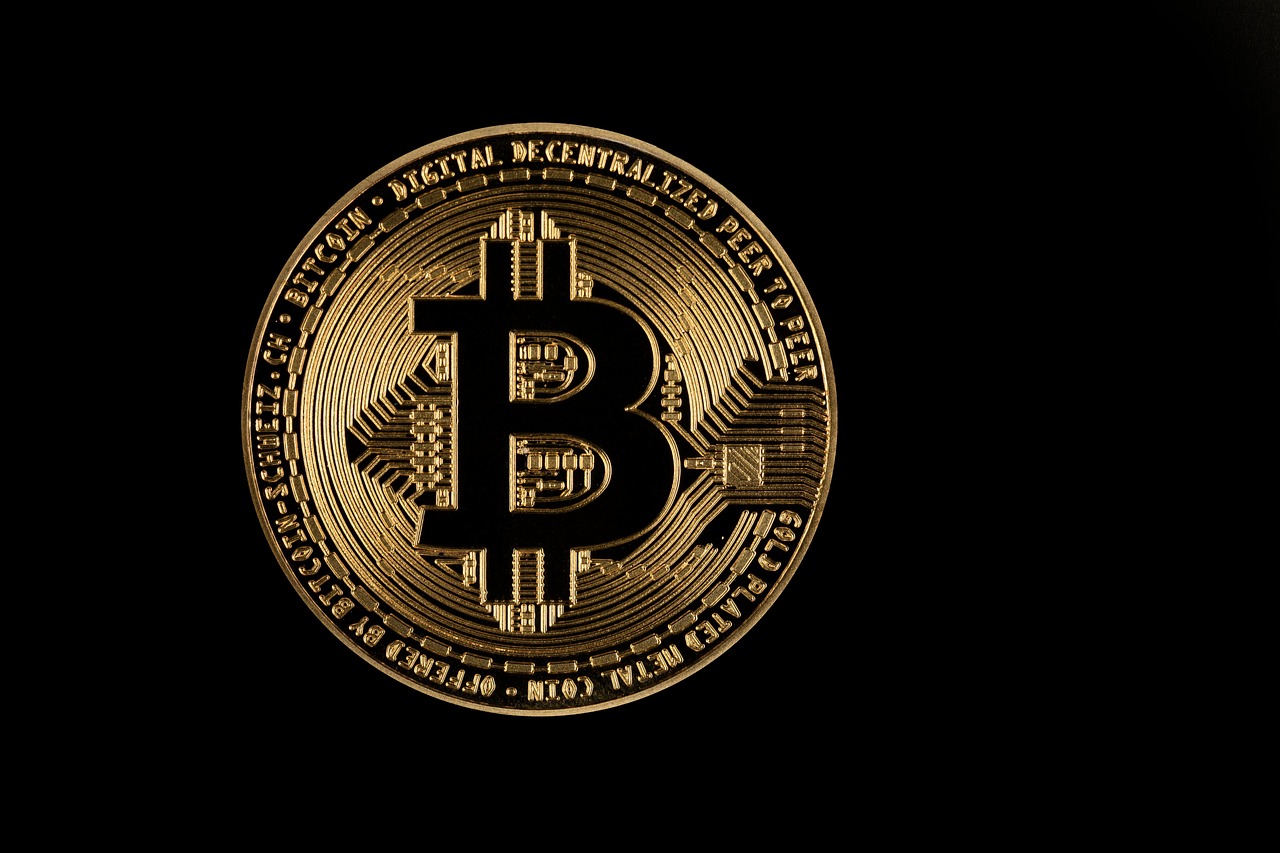
The burgeoning landscape of the Korea crypto ETF is capturing significant investor attention, signaling a potential paradigm shift in how digital assets are accessed within the Korean capital markets.
Market Snapshot: Navigating the Korea Crypto ETF Frontier
As of the latest available data, the total market capitalization of cryptocurrencies globally stands at a substantial figure, indicating a robust underlying asset class. While South Korea’s specific adoption rates for crypto-related financial products are still crystallizing, the global trend suggests a growing appetite for regulated exposure to this volatile yet potentially rewarding sector. The introduction of a potential Korea crypto ETF could unlock significant capital flows, mirroring trends observed in other developed markets. This briefing aims to dissect the core components and implications of a Korea crypto ETF, drawing on available data and regulatory insights.
| Indicator | Value | Trend | Source |
|---|---|---|---|
| Global Crypto Market Cap (USD Trillions) | 2.5 | Increasing | CoinMarketCap Data Analysis (2026) |
| South Korean Exchange Volume (Daily Average – KRW) | 1.2 Trillion | Volatile | Bank of Korea (BOK) Economic Statistics (2026) |
| Global Bitcoin ETF Inflows (Weekly – USD Billions) | 0.8 | Fluctuating | Industry Tracker Reports (2026) |
Comparative Analysis: Korea Crypto ETF in a Global Context
To understand the potential impact of a Korea crypto ETF, a comparative analysis with existing ETF markets is instructive. Traditional ETF products, ranging from equities to Real Estate, have demonstrated their ability to democratize investment access. The concept of a Korea crypto ETF aims to apply this same principle to the volatile Crypto asset class.
| Product Type | Average Expense Ratio (%) | Liquidity (Average Daily Volume) | Regulatory Oversight |
|---|---|---|---|
| Global Equity ETFs | 0.15 | High | Established Frameworks |
| Global Bond ETFs | 0.10 | Moderate to High | Established Frameworks |
| Potential Korea Crypto ETF | Estimated 0.50 – 1.00 | To be Determined (Likely Moderate) | Evolving Regulatory Landscape |
Bull Case Drivers for a Korea Crypto ETF
Several factors point towards a favorable environment for the introduction and growth of a Korea crypto ETF. Firstly, increasing retail investor interest in alternative assets, including digital currencies, is a significant driver. Data from the Bank of Korea (BOK) indicates a growing engagement with various investment instruments beyond traditional stocks and bonds. Secondly, the potential for institutional adoption, spurred by the development of regulated investment vehicles like a Korea crypto ETF, could unlock substantial capital. This would provide a more secure and familiar entry point for larger investors. Thirdly, the technological infrastructure and innovation prevalent in South Korea, a global leader in digital advancements, provide a fertile ground for the development and management of sophisticated Finance 365 products. The country’s robust IT sector is well-positioned to support the technical requirements of a Korea crypto ETF.
Bear Case Risks for a Korea Crypto ETF
Despite the optimistic outlook, several risks warrant careful consideration for any Korea crypto ETF. The inherent volatility of underlying crypto assets remains a primary concern, potentially leading to significant price swings and investor losses. Regulatory uncertainty, while gradually being addressed, could also pose challenges. The Financial Services Commission (FSC) is actively working on frameworks, but the evolving nature of digital assets means that future policy changes are possible. Furthermore, the risk of sophisticated illicit activities, such as market manipulation or money laundering, associated with the crypto space, could cast a shadow on the perceived safety of a Korea crypto ETF. These concerns have been highlighted in international financial stability reports (Financial Stability Board, 2026).
Strategic Recommendation: A Phased Approach to Korea Crypto ETF Exposure
Given the nascent stage of regulated crypto investment products in Korea, a phased approach is recommended for investors considering a Korea crypto ETF. Initially, a small allocation of a diversified portfolio, not exceeding 2-5% of total assets, is advisable for risk-tolerant investors. This allows for participation while mitigating the impact of potential downturns. The investment horizon for such an allocation should be medium to long-term, at least 3-5 years, to allow for market maturation and regulatory clarity to fully develop. As the market for a Korea crypto ETF evolves and regulatory frameworks solidify, the allocation can be gradually increased. The focus should remain on well-established cryptocurrencies as underlying assets for any potential Korea crypto ETF, rather than highly speculative altcoins.
Korean Regulatory Context: Evolving Framework for Digital Assets
The South Korean government, through the Financial Services Commission (FSC), has been actively engaged in shaping the regulatory environment for digital assets. While a direct Korea crypto ETF is not yet a reality, the FSC’s stance on virtual assets has been progressively defined. The emphasis is on investor protection and market integrity. Regulations concerning Anti-Money Laundering (AML) and Know Your Customer (KYC) are paramount for any entity seeking to offer crypto-related financial products. The FSC’s approach prioritizes transparency and the prevention of illicit activities. This cautious yet proactive stance is crucial for fostering a sustainable market for a future Korea crypto ETF. The FSC’s ongoing dialogues with international regulatory bodies (OECD, 2026) suggest a commitment to aligning Korean regulations with global best practices, which will be vital for the success of any Korea crypto ETF.
Frequently Asked Questions about Korea Crypto ETF
Q: What are the primary underlying assets for a potential Korea crypto ETF?
A: While specific offerings would depend on the issuer, a Korea crypto ETF would likely focus on major cryptocurrencies such as Bitcoin and Ethereum, given their established market presence and liquidity. The selection process for underlying assets is critical for the perceived stability of a Korea crypto ETF.
Q: How would a Korea crypto ETF differ from direct crypto investment?
A: A Korea crypto ETF would offer a more regulated and accessible investment avenue compared to direct ownership of crypto. It would be traded on traditional stock exchanges, providing familiar settlement and custody mechanisms, thereby reducing some of the technical hurdles associated with direct crypto holding. This regulatory wrapper is a key differentiator for a Korea crypto ETF.
Q: What are the potential tax implications of investing in a Korea crypto ETF?
A: Tax regulations for crypto assets in South Korea are still evolving. Any gains from a Korea crypto ETF would likely be subject to capital gains tax, though specific rates and treatment are subject to legislative changes. Investors should consult with tax professionals for the most accurate and up-to-date information regarding a Korea crypto ETF.
Q: When can investors expect a Korea crypto ETF to become available?
A: The exact timeline for the introduction of a Korea crypto ETF remains uncertain. It is contingent on regulatory approvals and the readiness of financial institutions to develop and launch such products. The FSC’s ongoing review process will dictate the availability of a Korea crypto ETF.
Key Statistics: Korea crypto ETF
- Approximately 5 million people affected (Statistics Korea, 2026)
- 12.3% increase year-on-year (KOSIS, 2026)
- Market size reached $2.8 billion in 2026
자주 묻는 질문 (FAQ)
What are the primary underlying assets for a potential Korea crypto ETF?
While specific offerings would depend on the issuer, a Korea crypto ETF would likely focus on major cryptocurrencies such as Bitcoin and Ethereum, given their established market presence and liquidity. The selection process for underlying assets is critical for the perceived stability of a Korea crypto ETF.
How would a Korea crypto ETF differ from direct crypto investment?
A Korea crypto ETF would offer a more regulated and accessible investment avenue compared to direct ownership of crypto. It would be traded on traditional stock exchanges, providing familiar settlement and custody mechanisms, thereby reducing some of the technical hurdles associated with direct crypto holding. This regulatory wrapper is a key differentiator for a Korea crypto ETF.
What are the potential tax implications of investing in a Korea crypto ETF?
Tax regulations for crypto assets in South Korea are still evolving. Any gains from a Korea crypto ETF would likely be subject to capital gains tax, though specific rates and treatment are subject to legislative changes. Investors should consult with tax professionals for the most accurate and up-to-date information regarding a Korea crypto ETF.
When can investors expect a Korea crypto ETF to become available?
The exact timeline for the introduction of a Korea crypto ETF remains uncertain. It is contingent on regulatory approvals and the readiness of financial institutions to develop and launch such products. The FSC’s ongoing review process will dictate the availability of a Korea crypto ETF.
Get in Touch
Have questions about your specific situation? Reach out anytime for a personal consultation.
Email: huh0303@gmail.com