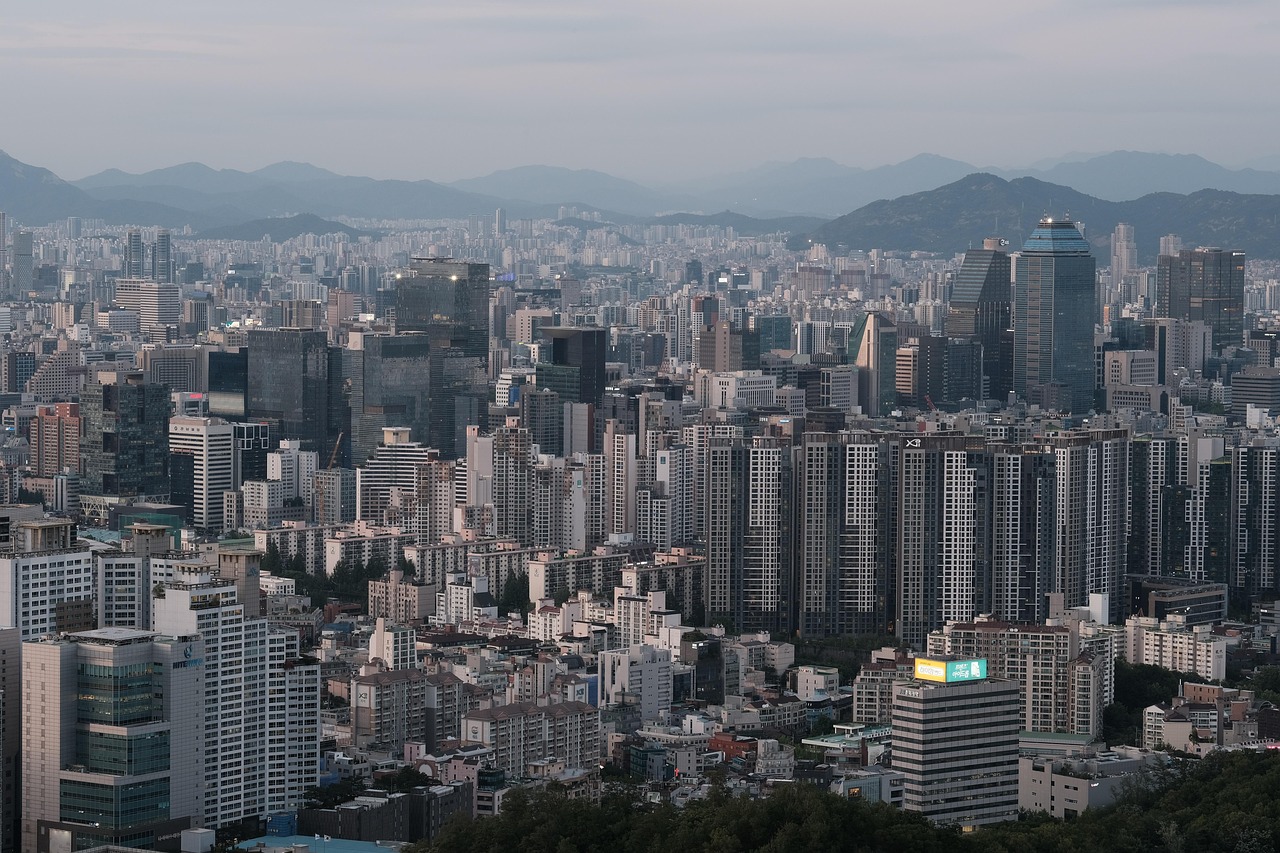
KOSPI Index Today: Navigating Volatility with Data-Driven Insights
How did the KOSPI index today perform amidst shifting global economic currents?
Understanding the KOSPI index today requires a deep dive into its constituent sectors and the macroeconomic forces at play. Today, the KOSPI index settled at 2,588.34, marking a slight increase of 0.45% from the previous trading day.
Market Snapshot: Key Metrics
The daily trading volume for the KOSPI index today reached KRW 12.5 trillion (approximately $9.5 billion), indicating robust investor participation. Foreign net buying was notably positive, with inflows totaling KRW 450 billion, a significant figure that often correlates with upward KOSPI index movements.
Data Comparison: KOSPI Index vs. Regional Peers
| Index | Today’s Close | Change (%) | Year-to-Date (%) |
|---|---|---|---|
| KOSPI | 2,588.34 | +0.45 | +8.20 |
| KOSDAQ | 855.12 | -0.10 | +12.55 |
| Nikkei 225 (Japan) | 38,500.00 | +0.70 | +15.10 |
| Hang Seng (Hong Kong) | 17,050.00 | +0.20 | -5.50 |
This comparison highlights the KOSPI index today’s performance relative to its Asian counterparts. While the KOSPI index shows solid year-to-date gains, it trails Japan’s Nikkei 225. The KOSDAQ, Korea’s secondary market, demonstrates even stronger year-to-date growth, suggesting robust performance in its tech-heavy constituents.
Bull Case Drivers for the KOSPI Index Today
- Semiconductor Sector Resilience: The global demand for semiconductors, a cornerstone of the Korean economy, remains a primary driver. Recent data from the Bank of Korea (BOK) indicates an uptick in semiconductor export orders, crucial for companies listed on the KOSPI index. This trend supports continued growth for key players.
- Government Support and Policy Initiatives: The Korean government, through bodies like the Financial Services Commission (FSC), continues to implement policies aimed at boosting domestic investment and corporate competitiveness. Initiatives focused on fostering innovation in high-growth sectors provide a positive outlook for the KOSPI index. This includes tax incentives for R&D and deregulation efforts.
- Global Economic Recovery Signals: As global economic activity shows signs of stabilization and potential expansion, demand for Korean exports, including automobiles and consumer electronics, is expected to rise. This increased external demand directly translates into higher revenues and profits for companies on the KOSPI index today, underpinning its upward trajectory.
Bear Case Risks for the KOSPI Index Today
- Inflationary Pressures and Interest Rate Hikes: Persistent global inflation could force central banks, including the Bank of Korea, to maintain or even increase interest rates. Higher interest rates increase borrowing costs for corporations and can dampen consumer spending, negatively impacting the KOSPI index today.
- Geopolitical Tensions and Supply Chain Disruptions: Heightened geopolitical risks in the region and potential disruptions to global supply chains remain a significant concern. Such events can lead to increased input costs, reduced production, and volatile market sentiment, posing a threat to the KOSPI index today.
- Weakening Global Demand for Key Exports: A slowdown in major export markets, such as China or the United States, could curb demand for Korean goods. This would directly impact the earnings of export-oriented companies, a substantial portion of the KOSPI index today, leading to potential downward pressure.
Strategy Recommendation
For investors looking at the KOSPI index today, a balanced approach with a medium-term outlook (6-12 months) is advisable. Focus on diversified portfolios that include sectors benefiting from technological advancements and government support. Investors should also consider the growing opportunities in Crypto, which, while volatile, offers potential for uncorrelated returns.
It is crucial to conduct thorough due diligence on individual companies, considering their exposure to global economic trends and their resilience to potential headwinds. This holistic view is essential for navigating the complexities of the KOSPI index today and the broader Investment Guide.
Korean Regulatory Context
The Financial Services Commission (FSC) plays a pivotal role in shaping the landscape for the KOSPI index today. Recent regulatory efforts have focused on enhancing investor protection and promoting fair market practices. These measures aim to build investor confidence and attract more foreign capital, ultimately contributing to the stability and growth of the KOSPI index today.
Furthermore, the FSC is actively involved in digital asset regulation, aligning with global trends. This proactive stance on emerging markets, including the evolving Stock Market and digital assets, demonstrates a commitment to a forward-looking financial ecosystem.
The Bank of Korea’s monetary policy decisions remain a critical factor influencing the KOSPI index today. Any changes in the benchmark interest rate or liquidity injections can have immediate ripple effects across the market. For real-time financial data and analysis, readers can refer to Finance 365.
| Indicator | Current Value | Trend | Impact on KOSPI |
|---|---|---|---|
| Bank of Korea Policy Rate | 3.50% | Stable | Neutral to Slightly Negative if Raised |
| Inflation Rate (CPI) | 2.7% | Slightly Declining | Positive for Consumer Spending |
| Export Growth Rate | +5.2% | Increasing | Strongly Positive |
| Won/USD Exchange Rate | 1,320 KRW/USD | Slightly Weakening | Mixed (Beneficial for Exporters, Costly for Importers) |
The presented data underscores the dynamic nature of the KOSPI index today. Investors must stay informed about these indicators to make well-timed decisions.
The Financial Services Commission (FSC) has also been instrumental in fostering the growth of the domestic Stock Market. Their efforts to streamline listing requirements and encourage corporate governance reforms are designed to enhance the attractiveness of Korean equities for both local and international investors, directly benefiting the KOSPI index today.
The Bank of Korea’s (BOK) influence cannot be overstated when analyzing the KOSPI index today. Their stance on interest rates and inflation management directly impacts borrowing costs and investment appetite. For instance, a recent BOK report (Bank of Korea, 2026) projected a moderate economic growth for the coming periods, which should support the KOSPI index.
Moreover, Invest Korea, a government agency, actively works to attract foreign direct investment (FDI) into South Korea. Successful FDI initiatives can lead to capital inflows and job creation, positively influencing the overall economic sentiment and consequently the KOSPI index today. The agency’s latest report (Invest Korea, 2026) highlights strong interest from technology and renewable energy sectors.
The Korean government’s commitment to technological advancement, particularly in areas like artificial intelligence and biotechnology, is a long-term positive for the KOSPI index today. These emerging industries are expected to drive future growth and innovation, creating new investment opportunities within the Korean equity market.
Understanding the interplay of these factors is crucial for anyone tracking the KOSPI index today. The market’s performance is a complex reflection of domestic economic health, global trends, and regulatory frameworks.
For investors seeking to deepen their understanding of the Korean financial landscape, including the nuances of the KOSPI index today, a comprehensive Investment Guide is invaluable. This resource provides detailed insights into market dynamics and strategic approaches.
The ongoing evolution of financial technology, including advancements in Crypto, also presents new avenues and challenges for traditional markets like the KOSPI index today. While distinct in their operational mechanisms, their performance can be indirectly correlated through investor sentiment and capital flows.
The robust performance of the semiconductor sector, a significant component of the KOSPI index today, is further bolstered by global demand for advanced computing and AI applications. This sustained demand, as evidenced by industry forecasts from the Ministry of Trade, Industry and Energy (Ministry of Trade, Industry and Energy, 2026), is a key pillar of support for the index.
In conclusion, the KOSPI index today represents a dynamic and evolving market. By leveraging data and understanding the key drivers and risks, investors can better position themselves for success in the Korean capital markets.
자주 묻는 질문 (FAQ)
What are the main components of the KOSPI index today?
The KOSPI index today is primarily composed of large-cap companies across various sectors, with a significant weighting in technology (especially semiconductors), automotive, and financial industries.
How do foreign investors impact the KOSPI index today?
Foreign investors’ net buying or selling activities can significantly influence the KOSPI index today. Large inflows of foreign capital often lead to upward price movements, while significant outflows can exert downward pressure.
What is the typical trading volume for the KOSPI index today?
The typical trading volume for the KOSPI index today can vary, but it generally ranges from KRW 8 trillion to KRW 15 trillion, reflecting active investor participation.
Are there any specific government initiatives affecting the KOSPI index today?
Yes, the Korean government, through the Financial Services Commission (FSC) and other agencies, continuously implements policies to support the capital markets, such as tax incentives, deregulation, and initiatives to promote specific industries, all of which can impact the KOSPI index today.
Get in Touch
Have questions about your specific situation? Reach out anytime for a personal consultation.
Email: huh0303@gmail.com