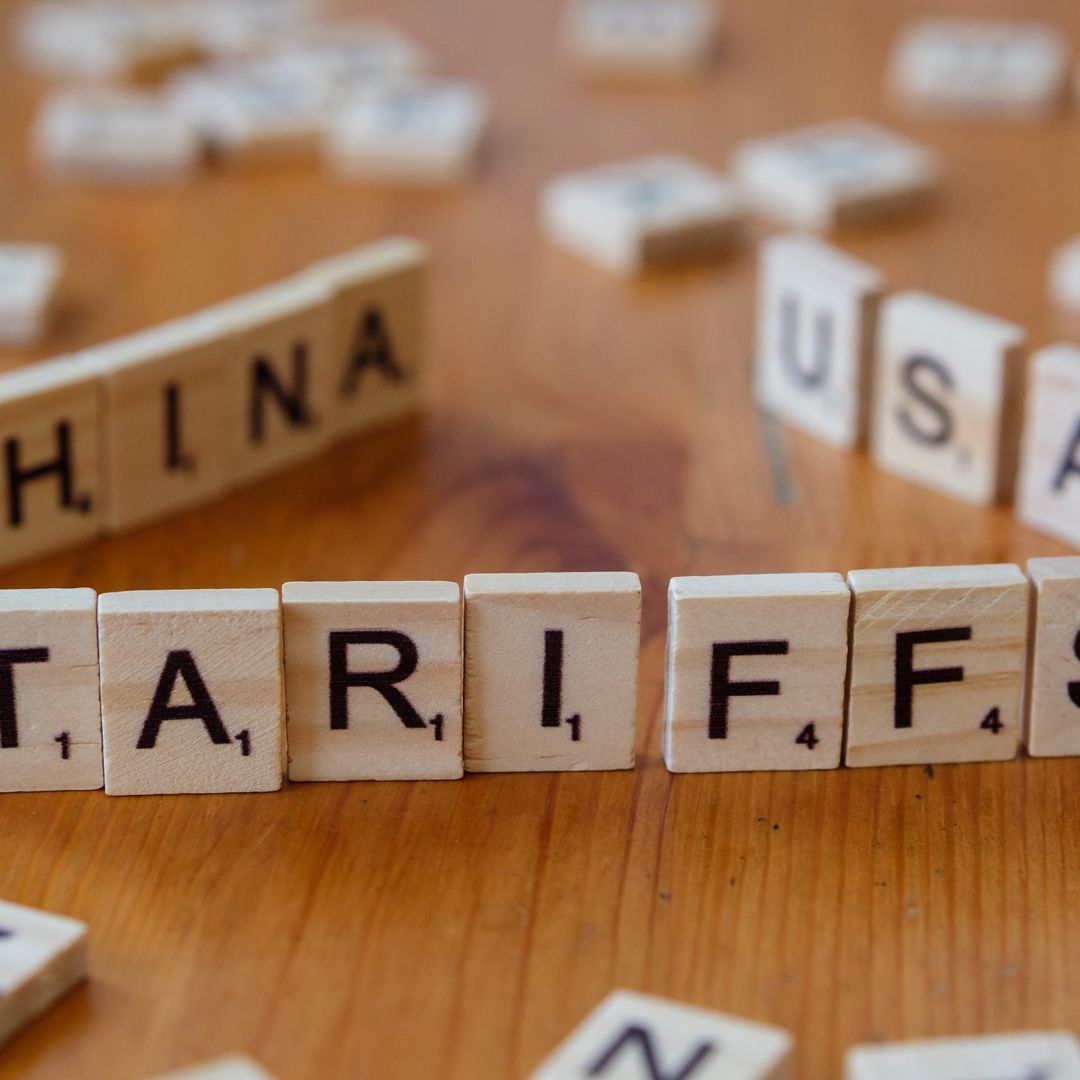
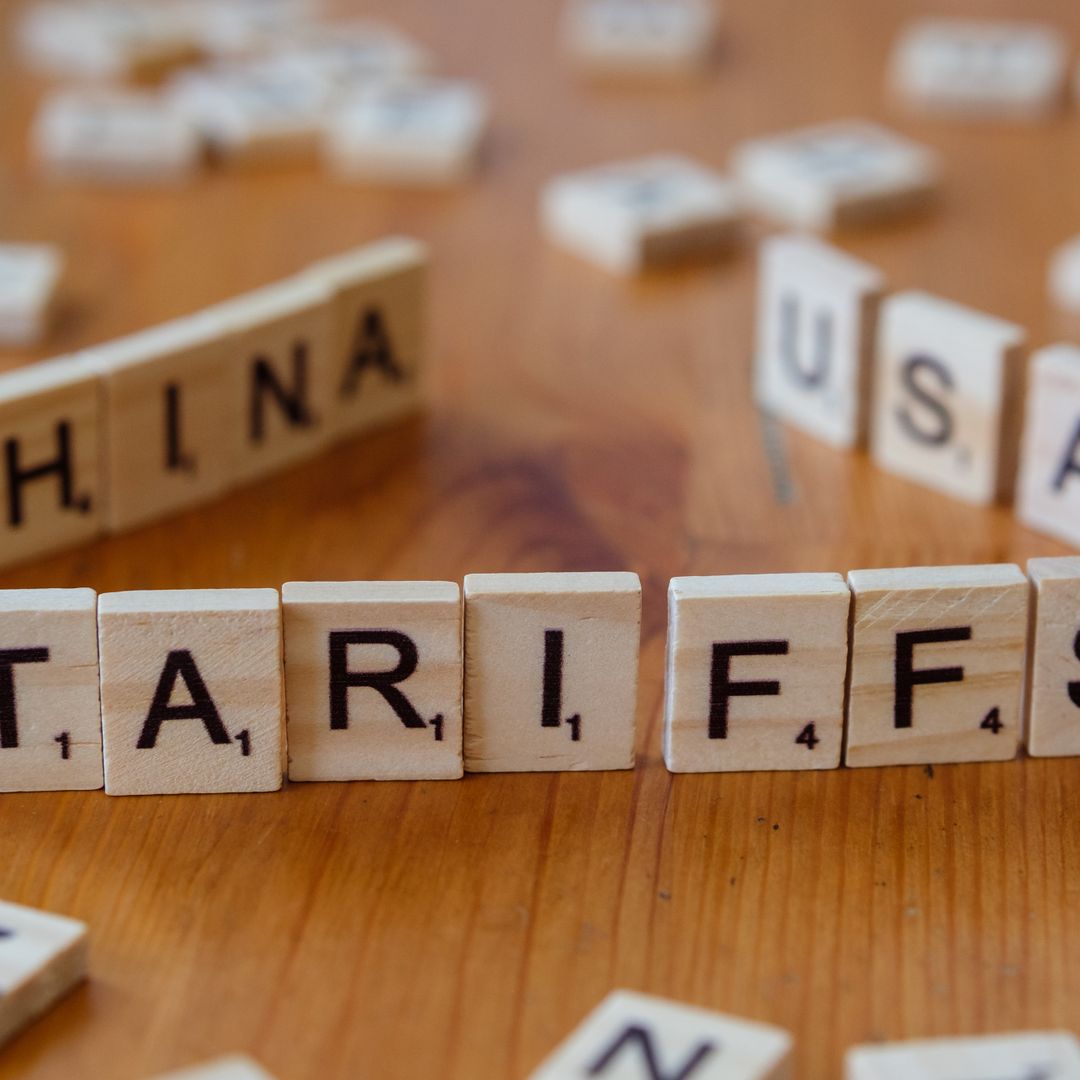
Potential changes in U.S. trade policy involving 트럼프 necessitate a rigorous assessment of how Korean industrial sectors interact with global supply chains. Shifts in administrative directives often create ripple effects for export-heavy economies, particularly those deeply integrated into the manufacturing of semiconductors, automobiles, and secondary batteries.
Market Sensitivity to Policy Adjustments
The Korean capital market functions as a high-beta proxy for global trade activity, making it particularly sensitive to shifts in U.S. economic posture. Investors often monitor how potential adjustments to tariff structures or sector-specific subsidies influence the valuation of heavy industry constituents within the KOSPI and KOSDAQ indices.
| Sector | Primary Sensitivity Factor | Key Exposure Metric |
|---|---|---|
| Semiconductors | Global supply chain integration | Export volume to U.S. and China |
| Automobiles | Trade barriers and tariff rates | North American sales proportion |
| Secondary Batteries | Subsidies and domestic content rules | U.S. manufacturing facility footprint |
Official Data and Macroeconomic Context
The Bank of Korea (https://www.bok.or.kr/eng) provides granular data on how external demand fluctuations impact the domestic current account. Official reports emphasize that while Korean firms maintain competitive advantages in high-tech manufacturing, the reliance on external demand makes the equity market susceptible to rapid sentiment shifts regarding trade protectionism.
Investors can utilize the Investment Guide to understand the structural mechanisms that link central bank policy to market volatility. Furthermore, the Financial Services Commission (https://www.fsc.go.kr/eng) oversees the regulatory environment, ensuring that market participants maintain liquidity even during periods of heightened geopolitical uncertainty.
Structural Drivers and Risk Factors
Market participants must distinguish between short-term noise and long-term structural shifts when evaluating equities. Companies with diversified production bases are often better positioned to mitigate the risks associated with regional trade policy changes compared to those with concentrated footprints.
- Supply Chain Resilience: The ability of a firm to pivot production to minimize tariff impact remains a critical valuation driver.
- Policy Alignment: Companies heavily reliant on specific government subsidies, such as those in the clean energy or battery sectors, face higher regulatory risk.
- Macro Hedge Positioning: Some investors shift capital toward sectors less correlated with trade cycles or explore alternative assets, such as Crypto, to hedge against fiat currency volatility.
- Industrial Real Estate: Shifts in manufacturing activity often influence demand for Real Estate assets located near major industrial complexes.
Regulatory Environment and Foreign Access
Invest Korea (https://www.investkorea.org) remains the primary point of reference for international entities seeking to understand inbound investment incentives and the regulatory landscape for foreign capital. Foreign investors should note that the Korean government has moved to enhance market accessibility, including the removal of the Investor Registration Certificate (IRC) system to simplify cross-border participation.
Despite these improvements, the interaction between domestic market structure and international digital asset standards remains evolving. Those exploring the intersection of traditional finance and Crypto should verify compliance requirements with current guidelines provided by local financial authorities.
Reporting Basis
This analysis relies on frameworks provided by the Bank of Korea and official government publications available as of the article’s writing in 2026. All figures and policy references are subject to change as global trade negotiations progress throughout the year.
자주 묻는 질문 (FAQ)
How do U.S. trade policies typically influence the KOSPI index?
The KOSPI is highly sensitive to U.S. trade policies due to the heavy weighting of export-oriented manufacturing firms, where tariff changes or subsidy shifts directly impact corporate earnings forecasts.
Where can foreign investors find current regulations on Korean market access?
Invest Korea (https://www.investkorea.org) and the Financial Services Commission (https://www.fsc.go.kr/eng) provide the most authoritative data on regulatory frameworks and foreign investor obligations.
What role does the Bank of Korea play during periods of trade volatility?
The Bank of Korea monitors macroeconomic stability and the current account balance, providing data that helps investors gauge the resilience of the Korean economy against external trade shocks.
Are there specific sectors that face higher risk from trade policy changes?
Sectors with high exposure to the U.S. market, such as semiconductors, automobiles, and battery manufacturing, are generally considered to have higher policy sensitivity compared to domestic-focused service industries.
Get in Touch
Have questions about your specific situation? Reach out anytime for a personal consultation.