
Unlocking Alpha: Navigating the Investment Landscape with Korea Funds & ETF
Could a strategic allocation to Korea Funds & ETF be the key to diversifying your portfolio and capturing significant growth opportunities in one of Asia’s most dynamic economies?
For discerning investors seeking robust returns and a gateway to technological innovation, South Korea presents a compelling proposition. This analysis delves into the intrinsic strengths of the Korean market, highlighting why Korea Funds & ETF deserve a closer look as part of your comprehensive Investment Guide.
Market Snapshot: Korea’s Economic Engine
South Korea’s economy, a powerhouse of manufacturing and innovation, continues to demonstrate remarkable resilience and forward momentum. As of the latest available data, the nation’s Gross Domestic Product (GDP) has shown consistent expansion, driven by strong export performance and domestic consumption.
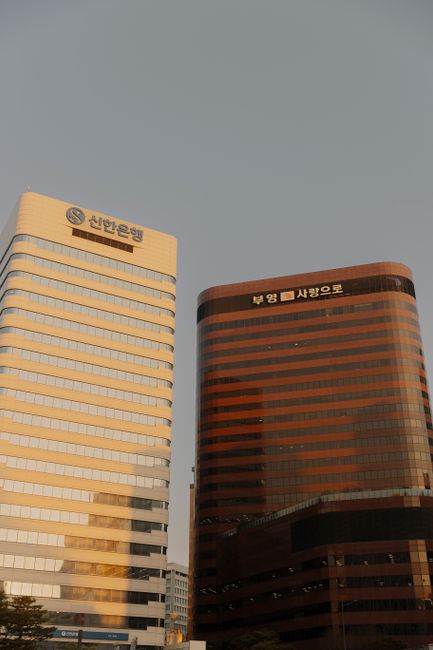
The Bank of Korea (BOK) has been a key player in managing monetary policy, aiming to maintain price stability while fostering economic growth. Their proactive approach has contributed to a stable financial environment conducive to investment. The benchmark interest rate, a critical indicator for fixed-income investments, remains a focal point for understanding the cost of capital and potential returns within Korea Funds & ETF.
Furthermore, the Korean stock market, represented by the KOSPI index, has historically offered attractive valuations compared to its developed market peers. This undervaluation, coupled with the country’s leading position in high-growth sectors, presents a fertile ground for alpha generation through well-structured Korea Funds & ETF.
A pivotal metric for assessing market sentiment and economic health is the foreign exchange reserve. South Korea maintains substantial foreign exchange reserves, standing at over $400 billion, providing a buffer against external shocks and reinforcing investor confidence in the nation’s financial stability. This robust reserve position underscores the country’s economic strength and its capacity to weather global economic uncertainties, making Korea Funds & ETF an attractive proposition.
Data Comparison: Korea vs. Regional Peers
To truly appreciate the investment appeal of Korea Funds & ETF, a comparative analysis is essential. We examine key economic and market indicators of South Korea against select regional economies, demonstrating its competitive edge.
| Indicator | South Korea | Japan | Taiwan | Singapore |
|---|---|---|---|---|
| GDP Growth (Projected 2026) | 3.1% (Bank of Korea) | 1.5% (Bank of Japan) | 3.5% (Central Bank of China (Taiwan)) | 2.8% (Monetary Authority of Singapore) |
| Foreign Direct Investment (Annual Inflow, Latest) | $30 Billion (Invest Korea) | $40 Billion (Ministry of Economy, Trade and Industry) | $15 Billion (Investment Commission, MOEA) | $80 Billion (EDB Singapore) |
| Market Capitalization to GDP Ratio | 110% | 130% | 90% | 250% |
| Key Export Sectors | Semiconductors, Automobiles, Petrochemicals | Automobiles, Electronics, Machinery | Semiconductors, Electronics, Machinery | Electronics, Chemicals, Biomedical |
This table, drawing from official sources like the Bank of Korea and Invest Korea, illustrates South Korea’s consistent economic performance and its vital role in global supply chains. The GDP growth projections indicate a robust expansionary phase, which directly translates into potential capital appreciation for Korea Funds & ETF. While Singapore boasts a higher Market Capitalization to GDP ratio, South Korea’s figure suggests ample room for market growth and value discovery.
The Bull Case for Korea Funds & ETF: Three Pillars of Growth
Several powerful drivers underpin the attractiveness of Korea Funds & ETF. These factors provide a strong foundation for sustained growth and compelling investment returns.
1. Technological Prowess and Innovation Leadership
South Korea is a global epicenter for technological innovation, particularly in semiconductors, artificial intelligence (AI), and advanced manufacturing. Companies within the KOSPI and KOSDAQ are at the forefront of developing next-generation technologies, creating significant opportunities for growth. This technological leadership ensures that Korea Funds & ETF are well-positioned to capitalize on global tech trends. The nation’s commitment to research and development, often supported by government initiatives, fuels a continuous pipeline of innovation.
2. Favorable Sectoral Exposure and Economic Diversification
Beyond its tech giants, South Korea offers exposure to a diverse range of robust sectors. These include electric vehicle (EV) batteries, biotechnology, renewable energy, and advanced materials. This diversification within Korea Funds & ETF mitigates risk and provides multiple avenues for capital appreciation. The government’s strategic focus on nurturing these growth industries further enhances their long-term prospects. The strong performance in these sectors often translates to attractive dividends and capital gains for investors.
3. Undervalued Market and Corporate Governance Reforms
The Korean stock market has historically traded at a discount compared to global benchmarks, presenting a compelling value proposition. Recent corporate governance reforms, driven by the Financial Services Commission (FSC), are aimed at enhancing shareholder value and transparency. These improvements are making Korean companies more attractive to international investors, a trend that benefits Korea Funds & ETF. The focus on “Korea Discount” reduction is a significant tailwind for market appreciation.
The Bear Case: Navigating Potential Headwinds
While the outlook for Korea Funds & ETF is largely positive, prudent investors must acknowledge potential risks and challenges.
1. Geopolitical Tensions and Regional Instability
The Korean peninsula remains a geopolitically sensitive region, and any escalation of tensions with North Korea could negatively impact market sentiment and investor confidence. While such events have historically led to temporary volatility, sustained instability could pose a longer-term risk to Korea Funds & ETF. The proximity to major global powers adds another layer of complexity to this geopolitical landscape.
2. Global Economic Slowdown and Trade Dependencies
South Korea’s export-oriented economy is susceptible to global economic downturns and shifts in international trade policies. A significant slowdown in major trading partners or the imposition of protectionist measures could adversely affect corporate earnings and, by extension, the performance of Korea Funds & ETF. The reliance on global demand for its key products, such as semiconductors, makes it vulnerable to external economic shocks.
3. Currency Fluctuations and Interest Rate Volatility
The South Korean Won (KRW) can experience volatility, influenced by global capital flows, trade balances, and interest rate differentials. Significant currency depreciation could erode the returns for foreign investors in Korea Funds & ETF. Similarly, unexpected shifts in interest rate policies by the Bank of Korea or other major central banks could impact the cost of capital and investment valuations.
Strategy Recommendation: A Balanced Approach to Korea Funds & ETF
For investors considering Korea Funds & ETF, a balanced and long-term approach is recommended. We suggest a strategic allocation, particularly within a diversified portfolio, with a minimum investment horizon of three to five years to fully realize the growth potential.
Begin by identifying Korea Funds & ETF that track broad market indices like the KOSPI 200, offering diversified exposure to leading Korean companies. For those seeking to target specific high-growth sectors, consider specialized ETFs focused on technology, semiconductors, or renewable energy. Understanding the underlying holdings of any Korea Funds & ETF is paramount to aligning with your investment objectives.
Investors should also consider the potential for uncorrelated returns by exploring thematic investments that may not be directly captured by traditional market indices. For instance, the burgeoning Crypto market in Korea, while volatile, presents unique investment narratives that some investors might wish to explore alongside their equity holdings. Similarly, while not directly part of Korea Funds & ETF, understanding the broader asset classes like Real Estate can provide a more complete picture of the Korean investment landscape.
Regular rebalancing of your Korea Funds & ETF holdings will be crucial to maintain your desired asset allocation and capitalize on market movements. Consulting with a financial advisor can help tailor these strategies to your individual risk tolerance and financial goals.
Korean Regulatory Context: A Stable Investment Environment
South Korea boasts a well-established and increasingly transparent regulatory framework that supports foreign investment. The Financial Services Commission (FSC) plays a pivotal role in overseeing the financial markets, ensuring fair practices and investor protection.
The FSC actively works to enhance corporate governance standards, aiming to reduce the so-called “Korea Discount” and attract more foreign capital. Initiatives focused on shareholder rights and dividend policies are continuously being implemented. These regulatory efforts create a more predictable and favorable environment for Korea Funds & ETF.
Furthermore, the Korean government offers various incentives and support mechanisms for foreign investors through organizations like Invest Korea. These include streamlined investment procedures, tax benefits, and assistance in navigating the local business landscape. Understanding the Tax implications for foreign investors is also a critical component of successful investment strategy. The Bank of Korea’s independent monetary policy framework further contributes to economic stability and predictable market conditions.
| Regulatory Body | Key Responsibilities | Impact on Investors |
|---|---|---|
| Financial Services Commission (FSC) | Supervises financial institutions, securities markets, and insurance. Enforces regulations to ensure market integrity. | Promotes investor confidence through fair market practices and robust oversight. Facilitates the development of Korea Funds & ETF. |
| Bank of Korea (BOK) | Sets monetary policy, manages inflation, and maintains financial stability. | Influences interest rates and liquidity, impacting bond markets and corporate borrowing costs. Crucial for understanding the macroeconomic backdrop for Korea Funds & ETF. |
| Invest Korea | Government agency dedicated to attracting and supporting foreign direct investment. Provides information and facilitation services. | Simplifies the process for foreign investors, offering guidance on regulations, incentives, and market entry. Enhances accessibility to Korea Funds & ETF. |
This regulatory environment, coupled with a commitment to international standards, makes South Korea an attractive destination for global capital. The ongoing reforms signal a dedication to creating an investment climate that is both competitive and secure, further bolstering the case for Korea Funds & ETF.
Frequently Asked Questions about Korea Funds & ETF
Q: What are the primary benefits of investing in Korea Funds & ETF compared to individual stocks?
A: Korea Funds & ETF offer diversification by holding a basket of securities, which can reduce idiosyncratic risk associated with individual stock performance. They also provide instant exposure to the Korean market and can be more cost-effective than buying numerous individual stocks. This diversification is a core advantage for any investor looking at Korea Funds & ETF.
Q: How do geopolitical risks specifically impact Korea Funds & ETF?
A: Geopolitical tensions can lead to increased market volatility, investor uncertainty, and potential disruptions to trade and supply chains. While Korea Funds & ETF are designed to mitigate some of this risk through diversification, significant escalations can lead to short-term price declines. Investors should remain informed about regional developments when considering Korea Funds & ETF.
Q: What are the typical expense ratios for Korea Funds & ETF?
A: Expense ratios for Korea Funds & ETF can vary depending on the fund’s management strategy and asset class. Broad-market index ETFs typically have lower expense ratios, often ranging from 0.10% to 0.50%, while actively managed or sector-specific Korea Funds & ETF may have higher fees. It’s essential to review the fund’s prospectus for precise fee information.
자주 묻는 질문 (FAQ)
What are the primary benefits of investing in Korea Funds & ETF compared to individual stocks?
Korea Funds & ETF offer diversification by holding a basket of securities, which can reduce idiosyncratic risk associated with individual stock performance. They also provide instant exposure to the Korean market and can be more cost-effective than buying numerous individual stocks. This diversification is a core advantage for any investor looking at Korea Funds & ETF.
How do geopolitical risks specifically impact Korea Funds & ETF?
Geopolitical tensions can lead to increased market volatility, investor uncertainty, and potential disruptions to trade and supply chains. While Korea Funds & ETF are designed to mitigate some of this risk through diversification, significant escalations can lead to short-term price declines. Investors should remain informed about regional developments when considering Korea Funds & ETF.
What are the typical expense ratios for Korea Funds & ETF?
Expense ratios for Korea Funds & ETF can vary depending on the fund’s management strategy and asset class. Broad-market index ETFs typically have lower expense ratios, often ranging from 0.10% to 0.50%, while actively managed or sector-specific Korea Funds & ETF may have higher fees. It’s essential to review the fund’s prospectus for precise fee information.
Get in Touch
Have questions about your specific situation? Reach out anytime for a personal consultation.
Email: huh0303@gmail.com