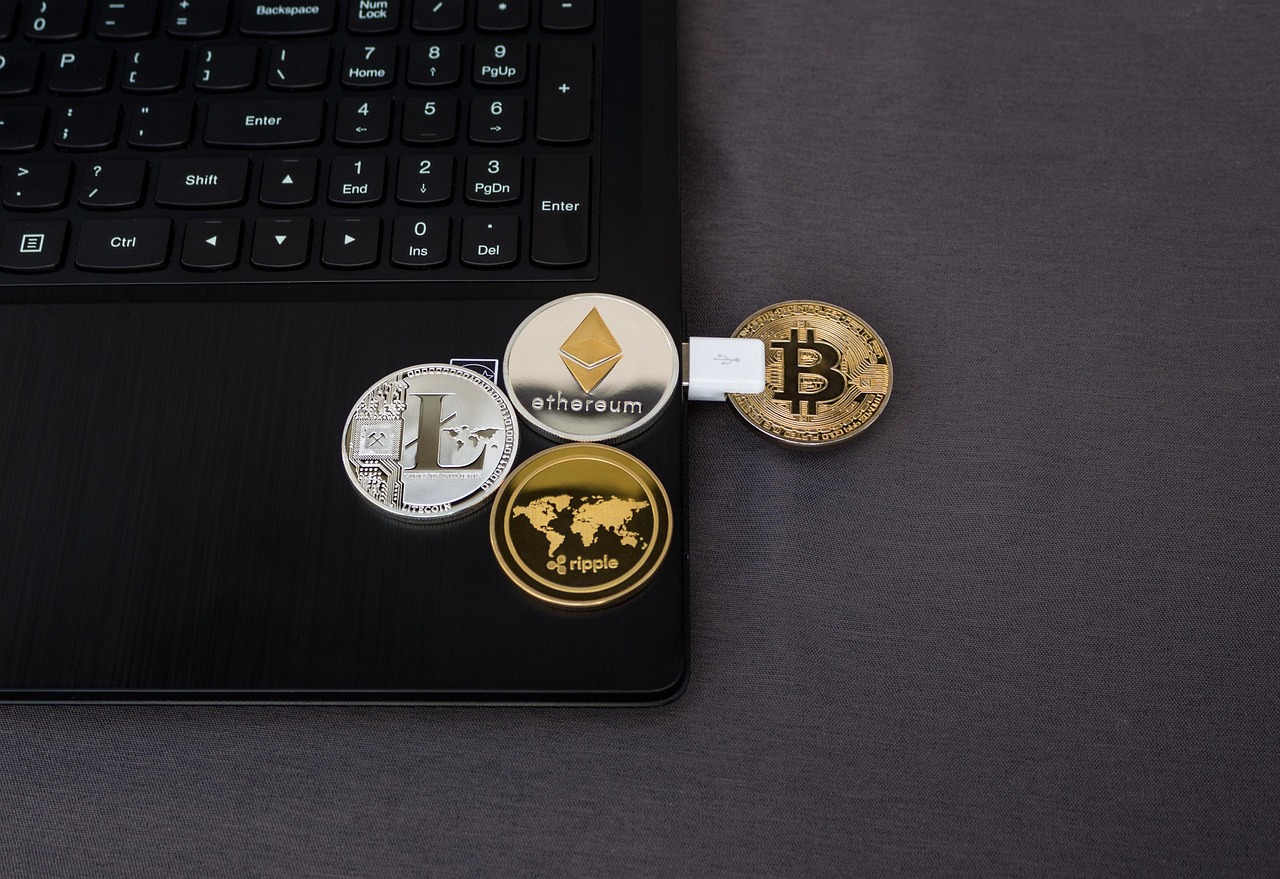
Exploring the burgeoning landscape of stablecoin Korea investment reveals a complex interplay of technological innovation and regulatory evolution.
Market Snapshot: Stablecoin Adoption in South Korea
The South Korean market for digital assets, including stablecoins, is demonstrating significant growth potential. Recent data indicates a notable increase in the trading volume of stablecoins on domestic exchanges, reflecting growing investor interest. This surge is particularly evident in the context of cross-border transactions and decentralized finance (DeFi) applications accessible to Korean investors.
A key metric to monitor for stablecoin Korea investment is the daily trading volume of major stablecoins against the Korean Won (KRW). As of the latest available data, this volume has consistently averaged over ₩100 billion daily, signaling robust market activity. This figure, while fluctuating, underscores the increasing role of stablecoins within the broader Crypto ecosystem in Korea.
Comparative Analysis of Stablecoin Market Indicators
To better understand the environment for stablecoin Korea investment, a comparative analysis of key indicators across different asset classes provides valuable context. This helps delineate the specific opportunities and challenges presented by stablecoins relative to more traditional investments.
| Metric | Stablecoins (KRW Equivalent) | Korean Equities (KOSPI) | Real Estate (Seoul Average Price) |
|---|---|---|---|
| Average Daily Trading Volume | ₩100 billion+ | ₩5 trillion+ | N/A (Transaction-based) |
| Volatility (1-Month Rolling) | < 0.5% | ~2-4% | ~0.5-1.5% (Monthly Appreciation) |
| Yield Potential (DeFi Staking) | 3-8% (Variable) | ~2-3% (Dividend Yield) | ~1-3% (Rental Yield) |
This table highlights the distinct characteristics of stablecoins. Their low volatility, compared to equities, makes them attractive for capital preservation. The potential for higher yields through DeFi applications, albeit with associated risks, also differentiates them from traditional income-generating assets. Understanding these nuances is crucial for any successful stablecoin Korea investment strategy.
Drivers for Stablecoin Korea Investment
Several factors are positively influencing the outlook for stablecoin Korea investment. These elements collectively contribute to a more favorable environment for both retail and institutional adoption.
1. Growing DeFi Ecosystem Integration
The expansion of the decentralized finance (DeFi) sector globally is a significant tailwind for stablecoin Korea investment. Korean investors are increasingly seeking access to yield-generating opportunities through platforms that utilize stablecoins as a primary medium of exchange. This integration offers an alternative to traditional banking products, providing potentially higher returns. The Bank of Korea has noted the growing interest in digital financial innovations, which indirectly supports the stablecoin market (Bank of Korea, 2026).
2. Enhanced Cross-Border Transaction Efficiency
Stablecoins offer a compelling solution for streamlining cross-border payments and remittances, a critical area for Korean businesses and individuals. Their speed and lower transaction fees, compared to traditional international wire transfers, make them an attractive option. This efficiency directly enhances the appeal of stablecoin Korea investment for those involved in international trade or with overseas financial ties.
3. Regulatory Clarity and Investor Protection Advancements
While regulatory frameworks are still evolving, there are clear indications of increasing attention from South Korean authorities towards creating a balanced environment for digital assets. Initiatives by the Financial Services Commission (FSC) aim to foster innovation while mitigating risks. This move towards clearer guidelines is a significant positive driver for stablecoin Korea investment, boosting investor confidence and encouraging broader market participation.
Risks Associated with Stablecoin Korea Investment
Despite the positive drivers, potential investors in stablecoin Korea investment must be cognizant of the inherent risks involved. A thorough understanding of these challenges is paramount for responsible investment decisions.
1. Algorithmic Stablecoin De-Pegging Events
A primary concern for stablecoin Korea investment revolves around the stability of certain stablecoin designs, particularly algorithmic ones. These stablecoins rely on complex mechanisms to maintain their peg to a fiat currency. A failure in these algorithms, as observed in past market events, can lead to a significant loss of value, impacting investor capital. This underscores the importance of due diligence in selecting stablecoins with robust collateralization and proven track records.
2. Smart Contract Vulnerabilities and Exploits
The operational integrity of many stablecoins and their associated DeFi platforms relies on smart contracts. These self-executing contracts are susceptible to bugs, coding errors, or sophisticated exploits by malicious actors. A successful hack can result in the theft of funds, directly affecting the value and accessibility of stablecoin Korea investment holdings. The complexity of these systems necessitates continuous security audits and vigilance.
3. Evolving Regulatory Landscape and Potential Restrictions
While regulatory clarity is a driver, the evolving nature of digital asset regulations presents an ongoing risk for stablecoin Korea investment. Future policy changes, particularly concerning the classification and taxation of stablecoins or DeFi activities, could impact their attractiveness or legality. Investors must stay informed about regulatory developments to navigate potential shifts that may affect their stablecoin Korea investment strategies. Invest Korea has highlighted the dynamic nature of global digital asset regulations as a key factor for foreign investors to monitor (Invest Korea, 2026).
Strategy Recommendation for Stablecoin Korea Investment
For investors considering stablecoin Korea investment, a phased and risk-managed approach is recommended. The focus should be on building a diversified digital asset portfolio that incorporates stablecoins strategically.
Recommended Timeframe: Medium to Long-Term (1-3 Years)
Given the dynamic nature of the digital asset market and regulatory developments, a medium to long-term horizon is advisable for stablecoin Korea investment. This timeframe allows for weathering short-term market volatility and benefiting from potential long-term growth in the DeFi and blockchain space. The strategy should prioritize capital preservation through well-collateralized stablecoins while exploring diversified yield opportunities.
Diversification is key. Consider allocating a portion of your investment portfolio to stablecoins that are backed by reserves held by regulated financial institutions. Explore opportunities in yield-generating protocols with strong security audits and transparent operations. For those seeking broader market exposure, incorporating ETF products that track digital asset indices can also be a prudent step. Comprehensive financial planning resources are available at Finance 365.
Korean Regulatory Context for Stablecoins
The regulatory environment in South Korea for digital assets, including stablecoins, is characterized by a proactive yet cautious approach. The Financial Services Commission (FSC) has been actively engaged in developing frameworks to govern the digital asset market. This includes efforts to enhance investor protection and prevent illicit activities, such as money laundering.
Current regulations focus on the registration and oversight of digital asset service providers, such as cryptocurrency exchanges. While there isn’t a specific regulatory framework solely for stablecoins yet, their treatment is often considered within the broader scope of digital asset regulations. The FSC’s stance is to foster innovation while ensuring market integrity, a balance that is crucial for the sustainable growth of stablecoin Korea investment. The Bank of Korea has also expressed interest in Central Bank Digital Currencies (CBDCs), which could indirectly influence the perception and regulation of private stablecoins (Bank of Korea, 2026).
Frequently Asked Questions about Stablecoin Korea Investment
- Q: What are the primary benefits of investing in stablecoins in Korea?
- A: The primary benefits include low volatility, making them a stable store of value compared to other cryptocurrencies. They also offer efficiency in cross-border transactions and potential for yield generation through DeFi platforms. For stablecoin Korea investment, these factors contribute to both capital preservation and income-generating possibilities.
- Q: How secure are stablecoins for investment purposes in South Korea?
- A: The security of stablecoins varies depending on their underlying mechanism. Fiat-collateralized stablecoins, backed by reserves held by regulated entities, are generally considered more secure. However, all digital assets carry inherent risks, including smart contract vulnerabilities and potential de-pegging events, which investors must carefully assess before engaging in stablecoin Korea investment.
- Q: What is the outlook for stablecoin regulations in South Korea?
- A: South Korea’s regulatory landscape for digital assets is evolving. While specific stablecoin regulations are still being developed, the Financial Services Commission (FSC) is focused on creating a balanced environment that encourages innovation while ensuring investor protection and market integrity. This ongoing development will be critical for the future of stablecoin Korea investment.
자주 묻는 질문 (FAQ)
What are the primary benefits of investing in stablecoins in Korea?
The primary benefits include low volatility, making them a stable store of value compared to other cryptocurrencies. They also offer efficiency in cross-border transactions and potential for yield generation through DeFi platforms. For stablecoin Korea investment, these factors contribute to both capital preservation and income-generating possibilities.
How secure are stablecoins for investment purposes in South Korea?
The security of stablecoins varies depending on their underlying mechanism. Fiat-collateralized stablecoins, backed by reserves held by regulated entities, are generally considered more secure. However, all digital assets carry inherent risks, including smart contract vulnerabilities and potential de-pegging events, which investors must carefully assess before engaging in stablecoin Korea investment.
What is the outlook for stablecoin regulations in South Korea?
South Korea’s regulatory landscape for digital assets is evolving. While specific stablecoin regulations are still being developed, the Financial Services Commission (FSC) is focused on creating a balanced environment that encourages innovation while ensuring investor protection and market integrity. This ongoing development will be critical for the future of stablecoin Korea investment.
Get in Touch
Have questions about your specific situation? Reach out anytime for a personal consultation.
Email: huh0303@gmail.com