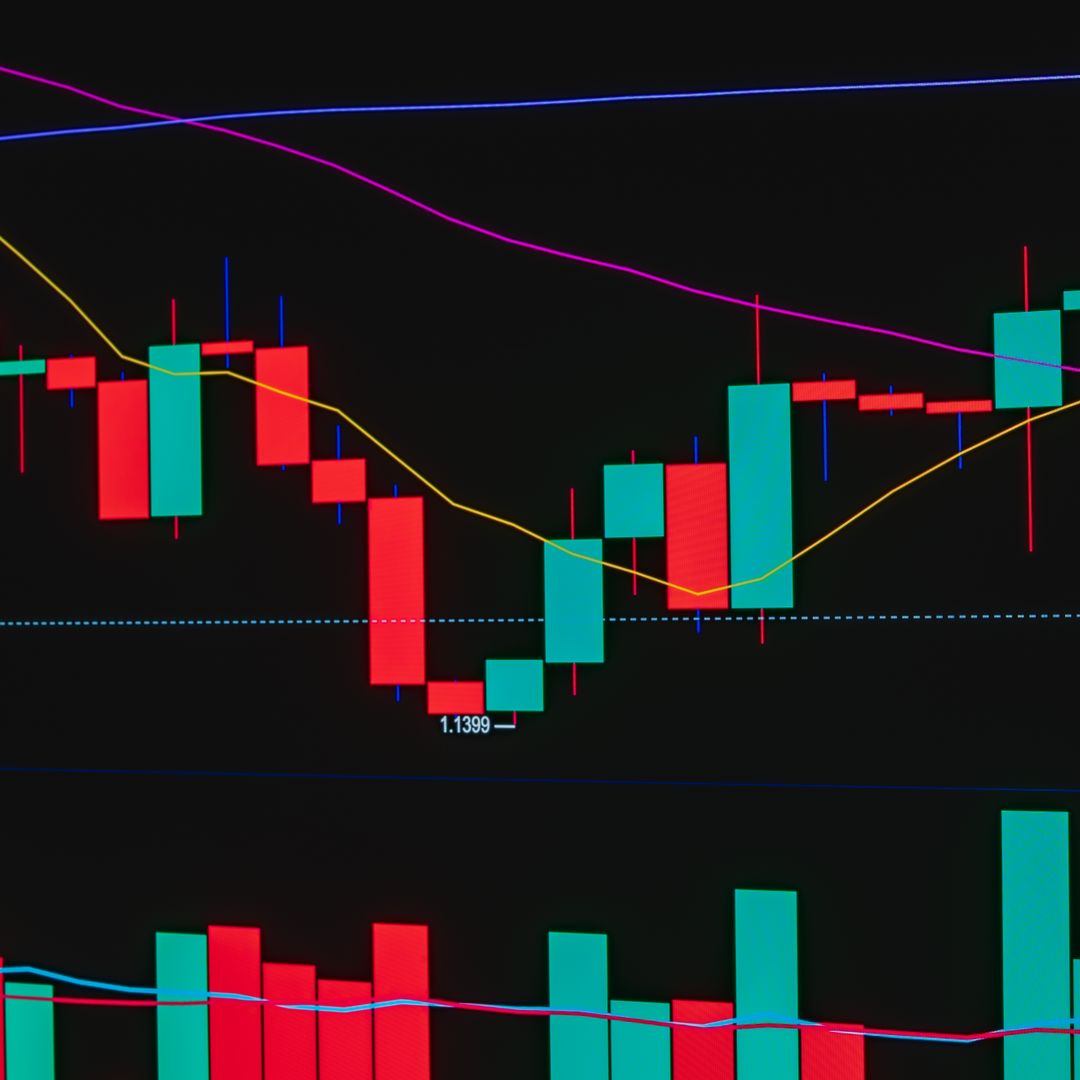

Market Sensitivity to External Policy Shifts
The potential for significant trade policy adjustments involving the U.S. under a new administration, often associated with the influence of 트럼프, necessitates a disciplined review of export-oriented portfolios. Investors in the Stock Market must distinguish between short-term sentiment volatility and long-term industrial fundamentals.
Data-Driven Sector Exposure
Bank of Korea data underscores that trade balance stability remains a cornerstone of domestic capital markets. Foreign investors often evaluate the sensitivity of local conglomerates, particularly in the automotive and semiconductor sectors, to changes in cross-border tariffs or protectionist measures.
| Industry Sector | Exposure Factor | Risk Mitigation Strategy |
|---|---|---|
| Semiconductors | Global supply chain integration | Diversification via global peers |
| Automotive | U.S. import tariff sensitivity | Focus on local production capacity |
| Shipbuilding | Energy infrastructure demand | Long-term contract backlogs |
| Financials | Interest rate correlation | Yield-focused Investment Guide |
Drivers of Market Performance
Core market drivers in 2026 are increasingly tied to fiscal autonomy and the competitive positioning of major export firms. When evaluating potential policy impacts, market participants monitor several distinct indicators to gauge long-term health.
- Trade Balance: The surplus or deficit ratio with major partners indicates currency stability and export competitiveness.
- Foreign Direct Investment (FDI): Data from Invest Korea shows consistent interest in high-tech manufacturing, which acts as a buffer against trade friction.
- Capital Flow: Net buying or selling by international institutional investors provides a signal of underlying confidence in market structure.
- Currency Volatility: The Won-Dollar exchange rate serves as a primary transmission mechanism for external trade shocks.
Risk Assessment for International Portfolios
Regulatory scrutiny regarding Crypto assets and traditional equities remains high as the Financial Services Commission continues to refine market transparency standards. Investors should account for the possibility of divergent regulatory paths between domestic authorities and U.S. policy mandates.
The alignment of Korean industrial policy with evolving international standards is essential for maintaining deep capital markets and liquidity for global participants.
Access and Regulatory Framework
Foreign investors must navigate the specific registration requirements necessary to participate in the exchange. Detailed insights into the tax implications of these investments are available through Finance 365, which covers the broader regional financial landscape.
- Verify registration with the Financial Supervisory Service to obtain an Investor Registration Certificate.
- Select a qualified domestic custodian to manage settlement and asset safekeeping.
- Review the specific sector-based ownership limits that apply to key strategic industries.
Source Documentation
- Bank of Korea, Monetary Policy and Economic Statistics, 2026.
- Invest Korea, Foreign Investment Trends and Policy Analysis, 2026.
- Financial Services Commission, Capital Market Reform Initiatives, 2026.
자주 묻는 질문 (FAQ)
How do U.S. trade policies influence Korean semiconductor stocks?
Trade policies impact export volume and supply chain costs, which are critical for the profitability of major Korean chipmakers.
Where can foreign investors find current market regulations?
Official updates are provided by the Financial Services Commission and detailed guides are available via the main investment portal.
Does the Won exchange rate pose a risk to foreign equity portfolios?
Currency fluctuations can affect total returns for non-local currency investors, making hedging strategies a standard consideration.
How does the Korean government support ongoing foreign investment?
Invest Korea provides resources and advisory services to ensure global investors understand the regulatory and industrial landscape.
Get in Touch
Have questions about your specific situation? Reach out anytime for a personal consultation.