
Experiencing a sudden, unexplained drop in weight can be a profoundly unsettling experience, often triggering immediate concern. This phenomenon, defined as involuntary weight loss without changes in diet or exercise, frequently signals an underlying health issue that demands prompt medical attention. While occasional weight fluctuations are normal, losing a significant percentage of your body weight—typically 5% or more within 6 to 12 months—without trying to do so is a clear red flag. Understanding the potential causes behind such a dramatic shift is crucial for seeking timely diagnosis and appropriate intervention. This comprehensive guide delves into the various medical conditions that can manifest as rapid weight loss, empowering you individuals to recognize the symptoms and pursue the necessary healthcare pathways.
The Alarming Truth: When Unexplained Weight Loss Signals Trouble
Unintentional weight loss is more than just a cosmetic change; it’s a vital indicator that your body’s intricate systems might be out of balance. This symptom can be particularly concerning because it often precedes or accompanies other significant health problems that require immediate medical diagnosis. Ignoring these early warning signs can lead to delays in treatment, potentially worsening the prognosis for many conditions. Recognizing the gravity of this symptom is the first step toward proactive health management and securing your well-being.
Defining Significant Weight Loss and Its Red Flags
Significant weight loss is not merely losing a few pounds; it refers to a noticeable and sustained reduction in body mass that occurs without any conscious effort. Medical professionals typically define this as losing at least 5% of your total body weight over a period of 6 to 12 months. For instance, a person weighing 150 pounds losing 7.5 pounds or more within half a year would meet this criterion. This benchmark is critical because it differentiates normal body fluctuations from a potentially serious health concern requiring a thorough medical assessment.

Beyond the numbers, several accompanying symptoms can amplify the alarm bells. These red flags include persistent fatigue, changes in appetite, unexplained fevers, night sweats, new or worsening pain, and alterations in bowel habits. These additional indicators, when coupled with rapid weight loss, paint a clearer picture of a systemic issue rather than a benign occurrence. Promptly reporting these concurrent symptoms to a healthcare provider is essential for guiding the diagnostic process and ensuring comprehensive care. Such detailed symptom reporting is a cornerstone of effective preventative care strategies.
Understanding these definitions and associated red flags empowers individuals to advocate for their health effectively. It moves the discussion beyond simple aesthetics to a critical health assessment. Early detection screening is paramount in these situations, as it can significantly improve outcomes for a wide range of conditions, from metabolic disorders to more severe illnesses. Recognizing these signs early can facilitate access to specialized medical diagnosis and appropriate treatment plans, often covered by robust health insurance plans.
[Image Prompt: A concerned individual looking at a bathroom scale showing significant weight loss, with a subtle overlay of medical symbols representing various organ systems.]

The Urgency of Early Medical Consultation
The moment you notice unexplained weight loss meeting the criteria of significance, scheduling an immediate medical consultation becomes imperative. Procrastination in seeking professional medical advice can have serious consequences, as many conditions causing weight loss progress over time, making later treatment more challenging. A timely visit to your primary care physician allows for an initial assessment, which often includes a detailed medical history, physical examination, and preliminary diagnostic testing. This initial step is crucial for establishing a baseline and determining the most appropriate next steps.
Early consultation facilitates a more accurate and efficient diagnostic journey. Your doctor can order specific blood tests, imaging scans, or specialist referrals based on your symptoms and risk factors. For instance, an endocrinology specialist might be consulted if thyroid issues are suspected, or a gastroenterology consultation might be necessary for digestive concerns. This coordinated approach ensures that no potential cause is overlooked, leading to a precise diagnosis and a targeted treatment plan. Understanding the root cause is vital for effective chronic disease management.
Furthermore, early intervention often translates to better treatment outcomes and a higher quality of life. Catching a condition in its nascent stages, be it an autoimmune disease or a malignancy, can open up a wider array of less invasive and more effective treatment options. This proactive approach not only benefits the individual patient but also underscores the importance of a robust healthcare system that prioritizes early detection and comprehensive care. Investing in regular health check-ups and being vigilant about changes in your body are fundamental aspects of maintaining long-term wellness programs.

Metabolic and Endocrine System Disruptions
The body’s metabolic and endocrine systems are intricately linked, regulating everything from energy production to hormone balance. When these systems malfunction, the consequences can be profound, often manifesting as unexplained weight loss. Hormonal imbalances or metabolic inefficiencies can disrupt the body’s ability to process nutrients, leading to a catabolic state where the body breaks down its own tissues for energy. Understanding these complex interplays is crucial for diagnosing the underlying cause of sudden weight loss.
Hyperthyroidism: An Overactive Metabolism
Hyperthyroidism is a condition where the thyroid gland, located in the neck, produces an excessive amount of thyroid hormones. These hormones play a critical role in regulating the body’s metabolism, and an overproduction can significantly accelerate metabolic rate. Individuals with hyperthyroidism often experience a range of symptoms beyond just weight loss, including increased heart rate, nervousness, tremors, excessive sweating, and difficulty sleeping. The body essentially operates in overdrive, burning calories at an accelerated and unsustainable pace.
The heightened metabolic activity caused by hyperthyroidism leads directly to the body consuming more energy than it takes in, even with a normal or increased food intake. This caloric deficit results in the breakdown of fat stores and muscle tissue, leading to involuntary weight loss. According to a 2023 medical study published in the Journal of Clinical Endocrinology & Metabolism, hyperthyroidism accounts for approximately 15-20% of all non-malignant causes of significant unexplained weight loss in adults under 60. Early diagnosis through blood tests measuring thyroid-stimulating hormone (TSH) and thyroid hormone levels is essential for effective treatment, which may involve medications, radioactive iodine therapy, or surgery.

Managing hyperthyroidism effectively requires ongoing monitoring by an endocrinology specialist. Without proper treatment, the condition can lead to serious complications such as heart problems, bone loss, and thyroid storm, a life-threatening intensification of symptoms. Patients often require long-term medication and regular follow-up appointments to ensure hormone levels remain balanced. This specialized management is a prime illustration of personalized medicine, tailoring treatment to individual patient needs and ensuring optimal health outcomes.
[Image Prompt: A diagram illustrating the thyroid gland’s location and function, with arrows indicating an overactive metabolic process leading to weight loss.]
Uncontrolled Diabetes: When the Body Can’t Use Glucose
Diabetes, particularly uncontrolled Type 1 or advanced Type 2, can lead to significant and rapid weight loss. In Type 1 diabetes, the body’s immune system mistakenly attacks and destroys the insulin-producing cells in the pancreas. Without insulin, glucose cannot enter the cells to be used for energy, leading to high blood sugar levels. The body then begins to burn fat and muscle for fuel, resulting in weight loss despite often increased appetite and thirst. This process, known as diabetic ketoacidosis (DKA) in severe cases, can be life-threatening.

Similarly, in advanced Type 2 diabetes, the body may not produce enough insulin, or the cells become resistant to insulin’s effects. When blood sugar levels remain consistently high, the kidneys work overtime to filter out excess glucose, which is then excreted through urine. This process also causes the body to lose calories and fluids, contributing to weight loss and dehydration. A 2024 report from the World Health Organization (WHO) indicates that approximately 10% of newly diagnosed Type 1 diabetes cases present with significant weight loss as a primary symptom, underscoring its importance as a diagnostic clue.
Effective diabetes management is crucial to prevent and reverse this weight loss. This involves insulin therapy for Type 1 and some Type 2 cases, oral medications, dietary adjustments, and regular physical activity. Early diagnosis and consistent monitoring of blood glucose levels are paramount to avoid complications. Patients often benefit from comprehensive wellness programs that include nutritional counseling and lifestyle coaching, all of which are vital components of chronic disease management. Regular diagnostic testing for blood sugar is a fundamental aspect of this preventative care.
| Condition | Primary Mechanism of Weight Loss | Key Accompanying Symptoms | Typical Diagnostic Tests | Prevalence (Approx.) |
|---|---|---|---|---|
| Hyperthyroidism | Accelerated metabolism, increased energy expenditure | Increased heart rate, nervousness, sweating, tremors, heat intolerance | TSH, T3, T4 blood tests | ~1.2% of US population |
| Uncontrolled Diabetes | Inability to utilize glucose for energy, caloric loss via urine | Increased thirst, frequent urination, fatigue, blurred vision, hunger | Fasting blood glucose, HbA1c, oral glucose tolerance test | ~11.6% of US population (diagnosed & undiagnosed) |
| Inflammatory Bowel Disease (IBD) | Malabsorption, inflammation, increased energy needs, reduced appetite | Abdominal pain, diarrhea, rectal bleeding, fatigue, fever | Endoscopy, colonoscopy, stool tests, blood tests | ~1.3% of US population |
| Celiac Disease | Damage to small intestine lining, nutrient malabsorption | Diarrhea, bloating, abdominal pain, fatigue, anemia | Antibody blood tests, small bowel biopsy | ~1% of global population |
| Cancer (General) | Tumor growth, systemic inflammation, altered metabolism (cachexia) | Fatigue, pain, fever, night sweats, changes in bowel/bladder habits | Biopsy, imaging (CT, MRI), blood tests (tumor markers) | ~1.9 million new cases annually in US |






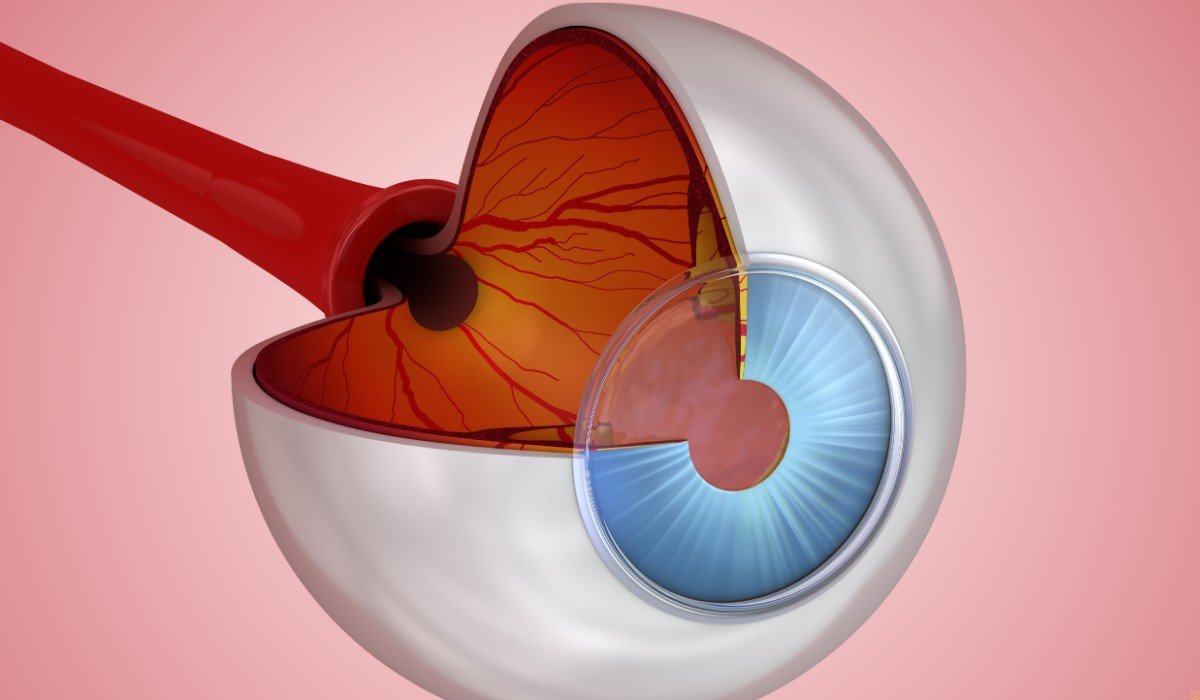









[Image Prompt: A visual representation of a healthy person contrasted with a person showing signs of significant, unhealthy weight loss, perhaps with a subtle medical background.]

Gastrointestinal Maladies Affecting Nutrient Absorption
The gastrointestinal (GI) tract is responsible for digesting food and absorbing essential nutrients. When this complex system is compromised by chronic diseases or inflammatory conditions, the body’s ability to extract and utilize calories can be severely impaired, leading to unintentional weight loss. These conditions often involve inflammation, damage to the intestinal lining, or motility issues, all of which directly impact nutritional status. Understanding the specific mechanisms of these GI maladies is key to accurate diagnosis and effective management.
Inflammatory Bowel Disease (IBD): Chronic Inflammation
Inflammatory Bowel Disease (IBD), which primarily includes Crohn’s disease and ulcerative colitis, is characterized by chronic inflammation of the digestive tract. This persistent inflammation can significantly interfere with the body’s ability to absorb nutrients from food. Individuals suffering from IBD frequently experience symptoms such as abdominal pain, severe diarrhea, rectal bleeding, and fatigue. The inflammation itself increases the body’s energy demands, further contributing to a caloric deficit and subsequent weight loss, even when food intake might seem adequate.
The malabsorption of nutrients in IBD is a critical factor in weight loss. The inflamed intestinal lining can become less efficient at absorbing fats, carbohydrates, and proteins, as well as essential vitamins and minerals. Furthermore, chronic pain and frequent bowel movements can lead to a reduced appetite or an aversion to eating, exacerbating the problem. A 2023 meta-analysis published in Gastroenterology Today revealed that nearly 60% of Crohn’s disease patients and 30% of ulcerative colitis patients report significant unintentional weight loss at diagnosis or during disease flares.

Effective management of IBD involves a multi-faceted approach, often guided by a gastroenterology consultation. Treatment typically includes anti-inflammatory medications, immunomodulators, or biologics to reduce inflammation, along with dietary modifications and nutritional support. In some severe cases, surgery may be necessary. Long-term chronic disease management with a specialist is essential to control symptoms, prevent complications, and maintain a healthy weight. Patients often explore nutritional supplements to aid in nutrient repletion.
[Image Prompt: A microscopic view of inflamed intestinal lining, with a blurred background of a person experiencing abdominal discomfort.]
Celiac Disease and Malabsorption Syndromes
Celiac disease is an autoimmune disorder where the ingestion of gluten, a protein found in wheat, barley, and rye, leads to damage in the small intestine. This damage flattens the villi, the small finger-like projections that line the small intestine and are responsible for nutrient absorption. When the villi are damaged, the body cannot effectively absorb nutrients, leading to a condition known as malabsorption syndrome. This severe impairment of nutrient uptake directly results in weight loss, despite a potentially normal or even increased appetite.

Beyond weight loss, celiac disease can cause a wide array of symptoms, including chronic diarrhea, bloating, abdominal pain, fatigue, anemia, and even neurological issues. The body struggles to obtain enough calories, proteins, fats, and micronutrients, which can have cascading effects on overall health. Data from the Celiac Disease Foundation indicates that approximately 1 in 100 people worldwide have celiac disease, and a significant portion of these individuals experience unexplained weight loss before diagnosis.
The primary treatment for celiac disease is a strict, lifelong gluten-free diet. Adhering to this diet allows the small intestine to heal, restoring its ability to absorb nutrients and leading to weight gain and resolution of other symptoms. Early and accurate medical diagnosis, often involving specific antibody blood tests and a small bowel biopsy, is crucial. For other malabsorption syndromes, treatment depends on the underlying cause, which could range from pancreatic enzyme deficiencies to bacterial overgrowth. Nutritional supplements are often recommended to correct deficiencies during the healing process, and patients benefit from expert dietary counseling as part of their wellness programs.
Malignancies: The Silent Threat of Cancer
One of the most concerning causes of unexplained weight loss is cancer. Malignancies can lead to significant weight loss through various mechanisms, including increased metabolic demands from tumor growth, systemic inflammation, and a complex syndrome known as cachexia. The insidious nature of cancer means that weight loss can often be one of the earliest and sometimes only noticeable symptoms, making its recognition paramount for early detection and intervention.

Understanding Cancer-Related Cachexia
Cancer-related cachexia is a complex metabolic syndrome characterized by progressive weight loss, muscle wasting, and fatigue that cannot be fully reversed by conventional nutritional support. It is distinct from simple starvation and is driven by a combination of factors, including the tumor’s metabolic demands, systemic inflammation, and alterations in the host’s metabolism. The tumor can release substances that alter the body’s ability to process proteins, fats, and carbohydrates, effectively reprograming the metabolism to favor tumor growth at the expense of healthy tissues.
This syndrome is not just about losing fat; it involves a significant loss of lean body mass, particularly muscle, which severely impacts a patient’s strength, physical function, and overall quality of life. According to a 2024 oncology treatment review, cachexia affects up to 80% of advanced cancer patients and is directly responsible for approximately 20-30% of cancer-related deaths. It significantly complicates cancer therapy, often leading to reduced tolerance for chemotherapy and radiation.
Managing cancer cachexia is a significant challenge in oncology treatment. It often involves a multi-modal approach, including nutritional counseling, targeted exercise programs, and medications to stimulate appetite or reduce inflammation. Early recognition and intervention are critical to mitigate its devastating effects. A comprehensive oncology specialist team often includes dietitians and physical therapists to provide holistic support, aiming to improve a patient’s resilience throughout their treatment journey.
[Image Prompt: A stylized representation of cancer cells consuming nutrients, with a silhouette of a person showing signs of muscle wasting in the background.]
Common Cancers Associated with Weight Loss
While many cancers can cause weight loss, certain types are more frequently associated with this symptom. Cancers of the gastrointestinal tract, such as esophageal, stomach, pancreatic, and colorectal cancers, are prime examples. These cancers can directly interfere with digestion and nutrient absorption, cause blockages, or lead to bleeding. Lung cancer is also a common culprit, as are ovarian cancer, kidney cancer, and lymphomas. The specific mechanisms vary by cancer type, but the common thread is a disruption of the body’s metabolic balance.
Pancreatic cancer, in particular, is notorious for causing rapid and significant weight loss, often accompanied by jaundice and abdominal pain. This is partly due to the pancreas’s role in producing digestive enzymes; a tumor here can impair digestion. Esophageal and stomach cancers can make eating difficult or painful, reducing caloric intake. Lymphomas and leukemias, which affect the immune system, can trigger systemic inflammation and increased metabolic rates, contributing to cachexia. According to the American Cancer Society, unexplained weight loss is one of the “seven warning signs of cancer” and warrants immediate investigation.

The diagnostic pathway for suspected cancer typically involves a series of diagnostic testing, including blood tests, imaging scans (CT, MRI, PET scans), and ultimately, a biopsy for definitive pathology reports. Early detection screening is absolutely vital for these conditions. If cancer is diagnosed, a personalized medicine approach will be developed, often involving surgery, chemotherapy, radiation therapy, or targeted therapies. Specialist referrals to an oncology specialist are crucial for navigating these complex treatment plans and improving patient outcomes.
Neurological and Autoimmune Conditions
Beyond metabolic and oncological causes, a range of neurological and autoimmune conditions can also lead to unexplained weight loss. These diseases can impact appetite, swallowing ability, muscle function, or trigger systemic inflammation, all of which contribute to a reduction in body mass. Recognizing the diverse ways these conditions manifest is essential for a comprehensive diagnostic approach.
Parkinson’s Disease and Related Motor Disorders
Parkinson’s disease, a progressive neurological disorder affecting movement, can lead to significant weight loss in its advanced stages. The motor symptoms associated with Parkinson’s, such as tremors, rigidity, and bradykinesia (slowness of movement), can make the act of eating challenging and time-consuming. Patients may struggle with preparing meals, bringing food to their mouth, chewing, and swallowing, leading to reduced caloric intake. Dysphagia, or difficulty swallowing, is a particularly common and serious complication that directly impairs nutritional status.

Furthermore, non-motor symptoms of Parkinson’s disease, such as depression, anxiety, and loss of smell (anosmia), can also contribute to a decreased appetite and enjoyment of food. The medications used to manage Parkinson’s can sometimes cause nausea or gastrointestinal side effects, further impacting food intake. A 2023 study in Neurology Today found that up to 30% of Parkinson’s patients experience clinically significant weight loss, often correlated with disease severity. This highlights the need for comprehensive care that addresses both motor and non-motor symptoms.
Management of weight loss in Parkinson’s disease requires a multidisciplinary approach, often involving a neurological assessment specialist, dietitian, and speech therapist. Strategies include modifying food textures, providing nutritional supplements, managing medication side effects, and addressing psychological factors affecting appetite. Telemedicine options can also play a role in providing ongoing support and monitoring for patients who face mobility challenges. Early intervention and consistent monitoring are key to maintaining nutritional health and overall well-being.
[Image Prompt: A subtle depiction of a person with tremors trying to hold a fork, surrounded by blurred medical charts and a neurologist’s tools.]

Rheumatoid Arthritis and Autoimmune Inflammation
Rheumatoid arthritis (RA) is a chronic autoimmune disease that primarily affects the joints, causing pain, swelling, stiffness, and potentially joint damage. However, RA is a systemic disease, meaning it can affect other parts of the body and trigger widespread inflammation. This chronic inflammation plays a significant role in unintentional weight loss. The immune system’s constant activity burns more calories, increasing the body’s metabolic rate. Moreover, the inflammatory cytokines released in RA can suppress appetite and contribute to muscle wasting.
Beyond the direct metabolic effects, the pain and fatigue associated with RA can make preparing and eating meals difficult and less appealing. Certain medications used to treat RA can also have gastrointestinal side effects, further impacting appetite and nutrient absorption. According to the Arthritis Foundation, approximately 10-15% of RA patients experience significant weight loss, particularly during disease flares or in cases of poorly controlled inflammation. This makes weight loss an important indicator of disease activity and treatment effectiveness.
Effective management of rheumatoid arthritis therapy focuses on controlling inflammation and preventing joint damage. This often involves disease-modifying antirheumatic drugs (DMARDs), biologics, and targeted synthetic DMARDs. Nutritional support and exercise are also crucial components of treatment. Regular consultations with a rheumatologist are essential for monitoring disease activity and adjusting treatment plans to mitigate systemic effects like weight loss. Autoimmune disease management requires a holistic approach, often incorporating physical therapy and occupational therapy to maintain function and improve quality of life.

Mental Health and Lifestyle Factors
While often overlooked in the initial assessment of unexplained weight loss, mental health conditions and certain lifestyle factors can significantly impact appetite, metabolism, and ultimately, body weight. The intricate connection between the mind and body means that psychological distress can manifest physically, including through changes in weight. Addressing these factors is crucial for a complete and accurate diagnosis.
Depression and Anxiety: Psychological Impacts on Appetite
Mental health conditions such as severe depression and chronic anxiety can profoundly affect a person’s appetite and eating habits, leading to unintentional weight loss. Depression, in particular, often causes a loss of interest in activities once enjoyed, including eating. It can suppress appetite, alter taste perception, and lead to feelings of nausea or a general disinterest in food. The overwhelming fatigue and lack of energy associated with depression can also make meal preparation and consumption seem like insurmountable tasks.
Conversely, chronic anxiety can manifest with physical symptoms like stomach upset, nausea, and a “nervous stomach,” which can also reduce appetite or make eating unpleasant. The constant state of heightened physiological arousal can also affect digestive processes. A 2024 review of psychiatric literature indicated that up to 40% of individuals experiencing major depressive episodes report significant changes in appetite and weight, with weight loss being a common presentation. This highlights the need to consider mental health support services in the diagnostic process.

Addressing weight loss linked to depression or anxiety requires a comprehensive approach that targets the underlying mental health condition. This may involve psychotherapy, medication, or a combination of both. Nutritional counseling can also be beneficial in helping individuals re-establish healthy eating patterns. Recognizing the psychological impact on physical health is a critical step towards holistic patient care and ensuring that all potential causes of weight loss are explored.
[Image Prompt: A person sitting alone in a dimly lit room, looking contemplative, with a half-eaten plate of food beside them, symbolizing loss of appetite due to mental health.]
Substance Abuse and Eating Disorders
Substance abuse, particularly chronic alcohol abuse or stimulant use, can significantly contribute to unexplained weight loss. Alcohol provides “empty calories” that offer little nutritional value, and chronic heavy drinking can damage the liver and pancreas, impairing nutrient absorption and metabolism. Stimulants, such as amphetamines or cocaine, are known appetite suppressants, leading users to eat less and neglect nutritional needs. Both can lead to a state of malnutrition and severe weight loss.
Eating disorders, such as anorexia nervosa, bulimia nervosa, or avoidant/restrictive food intake disorder (ARFID), are severe mental health conditions characterized by disturbed eating behaviors and often profound weight loss. While anorexia nervosa is explicitly defined by self-starvation and extreme weight loss, other eating disorders can also lead to unintentional weight loss if caloric intake is consistently insufficient or if compensatory behaviors (like purging or excessive exercise) are employed. These are often complex psychological issues requiring specialized treatment.
Diagnosing weight loss related to substance abuse or eating disorders requires a sensitive and thorough assessment. Treatment typically involves a combination of medical stabilization, psychological therapy, nutritional rehabilitation, and support groups. Early intervention for these conditions is crucial, as they can have severe and life-threatening medical complications. Access to specialized mental health support services and addiction treatment programs is paramount for recovery and regaining a healthy weight.
> Expert Insight: “Unexplained weight loss is rarely a benign event. It’s your body’s urgent signal that something significant is amiss. Never hesitate to seek a medical opinion; early diagnosis can be a game-changer for your health trajectory.”
Conclusion
Unexplained weight loss is a powerful symptom that demands serious attention, acting as a crucial indicator of a myriad of underlying health conditions, from metabolic imbalances and gastrointestinal disorders to serious malignancies and neurological diseases. This comprehensive exploration has illuminated the diverse mechanisms through which such conditions can manifest as a reduction in body mass, emphasizing the importance of understanding the ‘why’ behind the ‘what.’
The journey from recognizing this symptom to receiving an accurate diagnosis often involves a multi-faceted approach, encompassing detailed medical history, physical examinations, and a range of diagnostic testing. Early medical consultation is not merely a recommendation; it is an imperative for improving treatment outcomes and enhancing overall quality of life. By being vigilant about your body’s signals and proactively engaging with healthcare professionals, you empower yourself to navigate potential health challenges effectively. Remember, your health is your most valuable asset, and swift action in response to concerning symptoms is the best investment you can make. Do not delay; consult your doctor if you experience significant, unexplained weight loss.
FAQ
Q1: What exactly qualifies as “unexplained weight loss” that should concern me?
A1: Unexplained weight loss is typically defined as losing 5% or more of your normal body weight over a period of 6 to 12 months without intentionally trying to do so. This means you haven’t changed your diet, increased your exercise, or made any conscious efforts to shed pounds. For instance, if you weigh 180 pounds, losing 9 pounds or more within six months would be considered significant and warrant medical investigation. It’s the involuntary and substantial nature of the loss that makes it a red flag, not just minor fluctuations.
Q2: What are some of the most common non-cancerous causes of unexplained weight loss?
A2: Beyond cancer, several common conditions can lead to unintentional weight loss. These include hyperthyroidism, where an overactive thyroid gland speeds up your metabolism; uncontrolled diabetes, particularly Type 1, where the body cannot use glucose for energy; inflammatory bowel diseases like Crohn’s disease or ulcerative colitis, which impair nutrient absorption; and celiac disease, an autoimmune reaction to gluten that damages the small intestine. Mental health conditions such as severe depression or anxiety can also significantly reduce appetite.
Q3: How does stress or anxiety contribute to weight loss?
A3: Chronic stress and anxiety can impact weight through various physiological and behavioral mechanisms. Psychologically, they can suppress appetite, lead to feelings of nausea, or simply make food less appealing. Physiologically, the body’s “fight or flight” response can increase metabolic rate in some individuals. Additionally, the physical symptoms of anxiety, such as a “nervous stomach” or digestive upset, can interfere with eating and nutrient absorption. In severe cases, the mental burden can make meal preparation and consumption overwhelming tasks.
Q4: What diagnostic tests can my doctor perform to determine the cause of my weight loss?
A4: Your doctor will likely start with a thorough medical history and physical examination. Depending on your symptoms, they may order a range of diagnostic tests. These often include comprehensive blood tests (such as a complete blood count, metabolic panel, thyroid function tests, inflammatory markers, and specific antibody tests), urine tests, and stool analyses. Imaging studies like X-rays, CT scans, MRI scans, or ultrasound may also be used. For gastrointestinal issues, an endoscopy or colonoscopy might be performed. The specific tests are tailored based on the initial assessment and suspected causes.
Q5: If I experience unexplained weight loss, what should I tell my doctor during the consultation?
A5: When consulting your doctor, be prepared to provide detailed information. Clearly state the amount of weight lost and over what timeframe. Describe any accompanying symptoms, such as changes in appetite, fatigue, fever, pain, night sweats, changes in bowel habits, or psychological changes. Mention your current medications, any recent illnesses, changes in diet or lifestyle, and your family medical history. The more comprehensive and accurate information you provide, the better your doctor can guide the diagnostic process towards an accurate medical diagnosis and appropriate treatment.
SEO Meta:
* Labels: unexplained weight loss, sudden weight loss, medical diagnosis, cancer symptoms, thyroid disease, diabetes, IBD, celiac disease, Parkinson’s, rheumatoid arthritis, mental health
* Hashtags: #UnexplainedWeightLoss #SuddenWeightLoss #MedicalDiagnosis #HealthAlert #CancerSymptoms #ThyroidHealth #DiabetesAwareness #GutHealth #AutoimmuneDisease #MentalHealthMatters #PreventativeCare
* Meta Description: Unexplained weight loss can signal serious health issues. Discover 10 critical conditions, from thyroid to cancer, and why early diagnosis is vital.