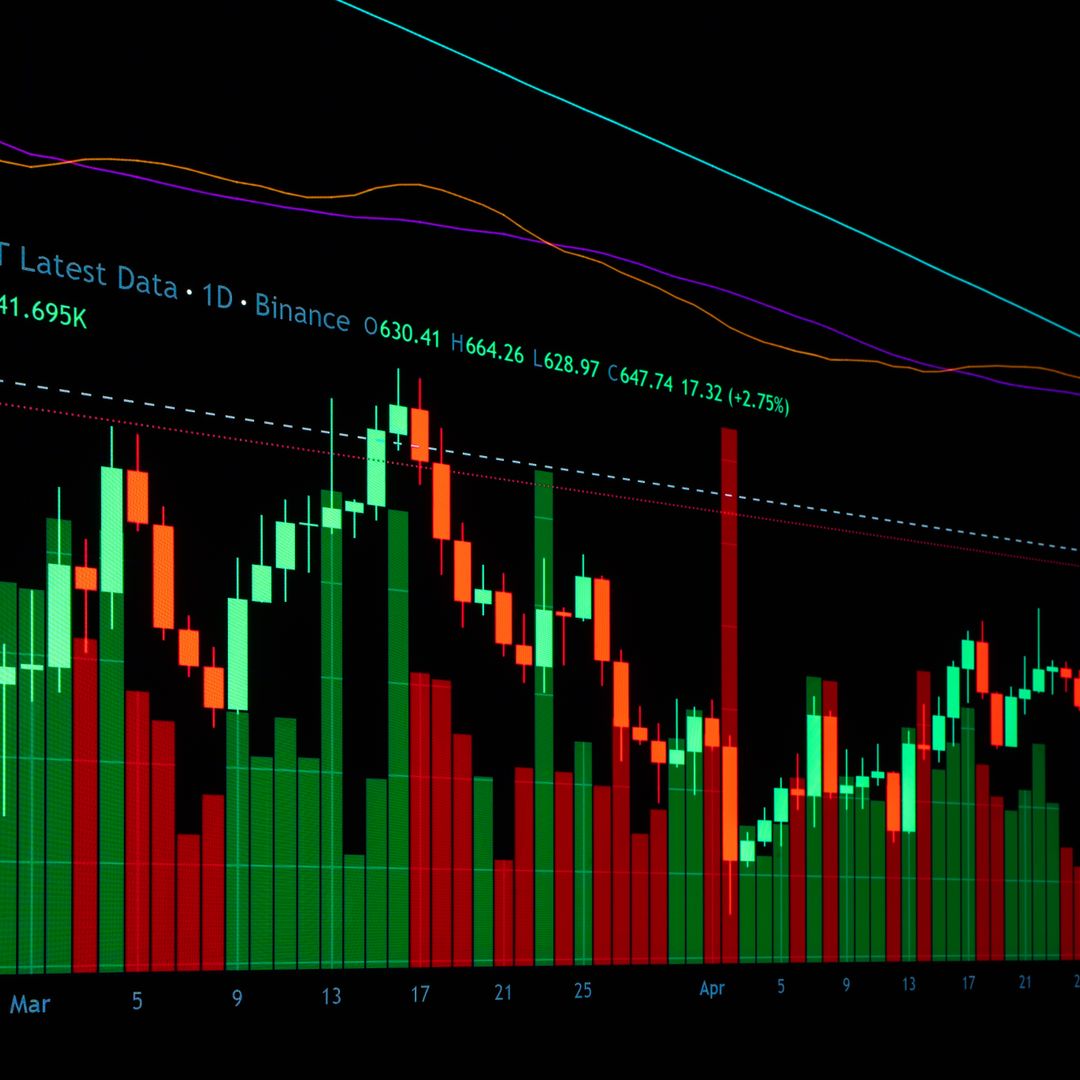
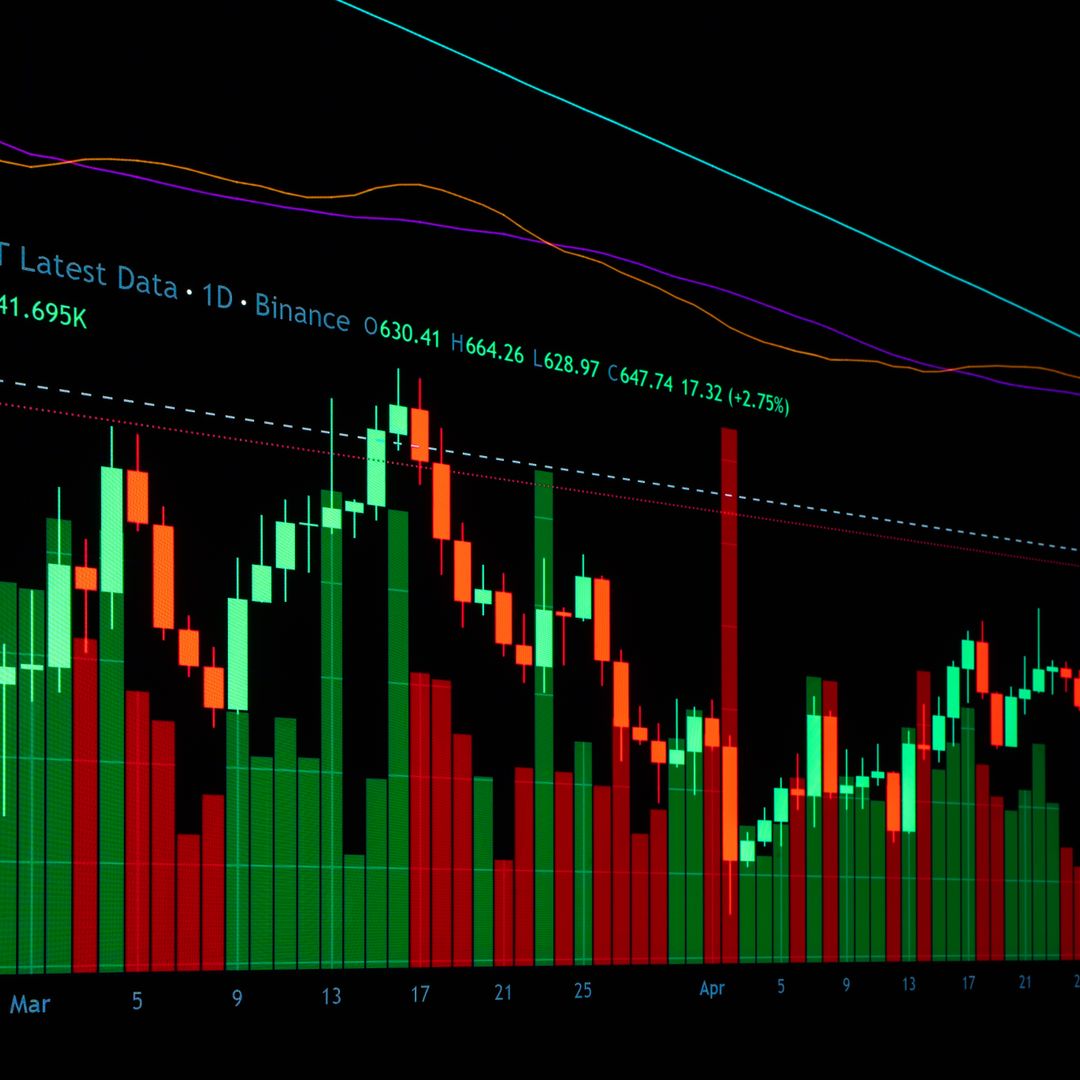
Managing digital asset portfolios requires a firm understanding of Korean offshore crypto exchange risks, particularly as regulatory frameworks tighten to protect retail participants. The boundary between domestic platforms and international entities remains a critical juncture for those seeking to balance diversified holdings with local compliance. This analysis examines the structural exposure inherent in utilizing non-domestic venues for capital deployment while maintaining a core Investment Guide for regional exposure.
Regulatory Oversight and Market Integrity
The Financial Services Commission (https://www.fsc.go.kr/eng) maintains stringent requirements for virtual asset service providers operating within the nation. These mandates prioritize user protection, anti-money laundering protocols, and the segregation of customer funds. When investors move capital to offshore platforms, they often bypass these local protections, potentially exposing themselves to jurisdictions with lower transparency standards.
- Custodial Protection: Domestic exchanges are required to hold a significant percentage of customer assets in cold wallets.
- Reporting Standards: Local firms undergo rigorous audits to ensure operational solvency and data integrity.
- Legal Recourse: Investors on domestic platforms benefit from a clear legal framework for dispute resolution.
- Information Symmetry: Regulatory filings provide a standardized view of market conditions for any Stock Market participant.
Market Structure and Capital Flow Implications
International investors frequently monitor the spread between local and global prices, a phenomenon often tied to localized capital controls and liquidity constraints. While the Bank of Korea monitors macroeconomic stability, the volatility inherent in offshore digital asset trading can lead to unexpected liquidity crunches. Engaging with these markets requires careful consideration of how such volatility impacts broader portfolios, including those weighted toward a domestic ETF.
| Factor | Domestic Platform | Offshore Platform |
|---|---|---|
| Compliance Standard | High (FSC Regulated) | Variable |
| Legal Redress | Direct/Local Court | Complex/Cross-border |
| Asset Segregation | Mandatory | Platform Dependent |
| Systemic Risk | Low (Audited) | High (Jurisdictional) |
Risk Mitigation for International Investors
The primary concern for those managing international assets is the lack of standardized oversight regarding insolvency protocols on foreign exchanges. As noted by agencies like Invest Korea, transparency is the cornerstone of sustainable market participation. Investors should verify that their counterparty risks are appropriately managed by reviewing the operational history and licensing of any third-party service.
Additional financial insights can be tracked via Finance 365 to maintain an updated perspective on liquidity. Relying on centralized, regulated entities remains the most reliable method for protecting capital against the volatility of the broader ecosystem. Maintaining a balanced approach ensures that individual asset positions do not suffer from systemic failures in unregulated segments of the global crypto market.
Data Sources and Contextualization
The figures and regulatory observations provided are based on the latest available documentation from national oversight bodies as of the article’s writing in 2026. Market conditions remain subject to periodic review by the Financial Services Commission to ensure alignment with international best practices. Investors are encouraged to cross-reference these guidelines with their specific financial situation and risk appetite.
자주 묻는 질문 (FAQ)
Why do Korean authorities regulate crypto platforms so strictly?
Strict regulation is enforced to ensure investor protection, prevent money laundering, and maintain stability within the broader financial ecosystem.
Are there specific risks associated with using platforms based outside of Korea?
Offshore platforms may lack mandatory asset segregation and clear legal recourse, increasing the potential for loss in cases of insolvency or platform failure.
How does the domestic market structure impact crypto investments?
Domestic platforms are integrated into a supervised framework that mandates cold wallet storage and regular financial auditing to mitigate systemic risk.
Can foreign investors access domestic exchanges easily?
Access generally requires meeting specific identification and residency verification standards mandated by the Financial Services Commission.
Get in Touch
Have questions about your specific situation? Reach out anytime for a personal consultation.