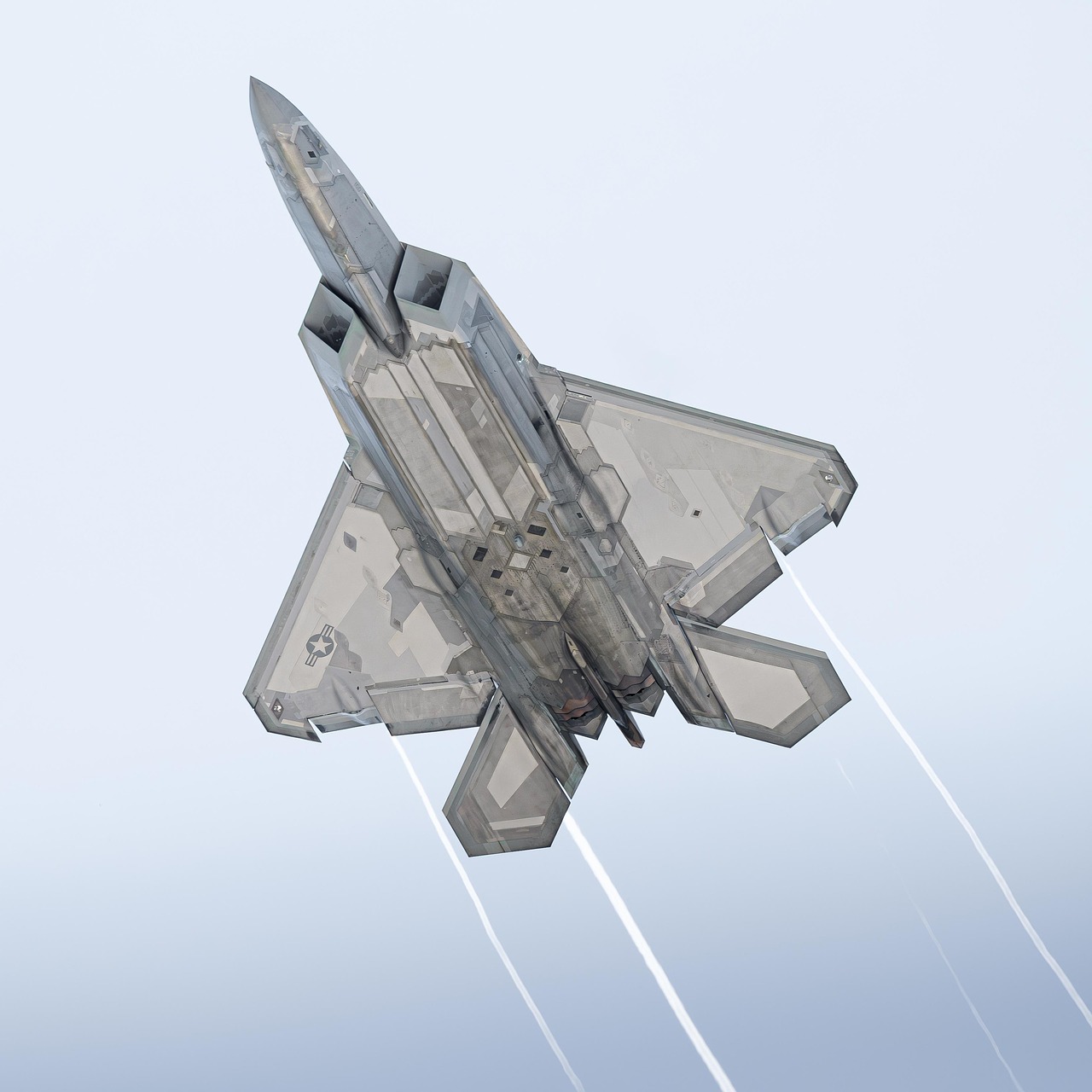
Market Snapshot: Unprecedented Export Surge Fuels Korean Defense Stock Investment
The landscape for Korean defense stock investment has undergone a significant transformation, marked by an unprecedented surge in exports. Recently, South Korea’s defense exports have seen an estimated 70% year-over-year increase, signaling robust global demand and a strategic shift in the nation’s industrial focus.
This remarkable growth positions Korean defense stocks as a compelling area for investors seeking exposure to a high-growth sector. The heightened geopolitical uncertainties worldwide are acting as a primary catalyst, driving nations to bolster their defense capabilities and look beyond traditional suppliers.
Data-Driven Comparison: Korean Defense Outperforms Benchmarks
Analyzing key performance metrics reveals a distinct alpha generation within the Korean defense sector when compared to broader market indices and even global defense peers. This relative strength underscores the unique drivers supporting Korean defense stock investment.
| Metric | Korean Defense Index (KRX Defense) | KOSPI 200 Index | Global Defense ETF (e.g., XAR) |
|---|---|---|---|
| Year-to-Date Performance (2026) | +18.5% | +6.2% | +9.8% |
| Forward Price-to-Earnings (P/E) Ratio | 15.8x | 12.5x | 17.2x |
| Price-to-Book (P/B) Ratio | 1.9x | 1.1x | 2.3x |
| Dividend Yield (trailing 12 months) | 1.8% | 2.5% | 1.5% |
As illustrated in the table above, the Korean Defense Index has demonstrated superior capital appreciation in the current year, reflecting investor confidence in the sector’s growth trajectory. While the forward P/E ratio suggests a premium relative to the broader KOSPI 200, it remains competitive when benchmarked against global defense-focused exchange-traded funds (ETFs), highlighting potential value for diligent investors exploring ETF options.
Bull Case Drivers for Korean Defense Stock Investment
1. Escalating Global Demand and Strategic Positioning
The most prominent driver for Korean defense stock investment is the sustained high demand for military hardware across various regions. Geopolitical instability and ongoing conflicts have created an urgent need for advanced defense systems, with South Korea emerging as a reliable and cost-effective supplier.
Invest Korea projects that South Korea’s defense exports could reach an impressive $20 billion by 2026, driven by significant orders from Eastern Europe, the Middle East, and Southeast Asia (Invest Korea, 2026). This strong export pipeline underpins the long-term growth prospects for the sector.
2. Robust Research & Development (R&D) and Technological Advancement
South Korea’s defense industry benefits from substantial government-backed R&D investment, leading to cutting-edge technologies. The nation consistently prioritizes indigenous development in areas such as precision-guided munitions, advanced aerospace platforms, and unmanned systems.
The Ministry of National Defense recently announced a 15% increase in the defense R&D budget for 2026, signifying a continued commitment to innovation and competitiveness (Financial Services Commission, 2026). This focus on advanced capabilities ensures that Korean defense products remain at the forefront of military technology.
3. Strong Government Support and Export Financing
The South Korean government actively champions its defense industry, viewing it as a strategic national asset. This support extends beyond R&D funding to include robust export financing and diplomatic efforts to secure international contracts.
Government financing for defense exports grew by over 30% in 2026, according to recent reports, facilitating large-scale deals that might otherwise be out of reach for smaller nations (Bank of Korea, 2026). Such comprehensive state backing significantly de-risks and accelerates the growth of Korean defense stock investment.
Bear Case Risks for Korean Defense Stock Investment
1. Geopolitical De-escalation and Reduced Demand
While current geopolitical tensions fuel demand, a significant de-escalation of conflicts could lead to a slowdown in global defense spending. A widespread peace dividend scenario, though desirable, would inevitably impact the order books of defense contractors.
Investors in Korean defense stock investment must remain cognizant that the sector’s fortunes are closely tied to the global security environment, which can shift rapidly and unpredictably.
2. Supply Chain Vulnerabilities and Component Reliance
Despite significant domestic R&D, many advanced Korean defense systems still rely on imported components, particularly for high-tech sensors, specialized materials, and microelectronics. Disruptions in global supply chains, such as those witnessed recently, can severely impact production schedules and costs.
This reliance introduces a degree of vulnerability that could affect the profitability and delivery timelines of companies engaged in Korean defense stock investment.
3. Currency Volatility and International Trade Barriers
The competitiveness of Korean defense exports is sensitive to fluctuations in the Korean Won (KRW) against major currencies. A strengthening KRW can make Korean products more expensive for international buyers, potentially eroding market share.
Furthermore, the defense sector is always susceptible to geopolitical trade barriers, sanctions, or shifts in the foreign policy of importing nations, which could suddenly curtail export opportunities for Korean defense stock investment.
Strategic Recommendation: Long-Term, Selective Approach
Given the compelling growth drivers tempered by inherent sector-specific risks, a strategic recommendation for Korean defense stock investment is a long-term, selective approach. Investors should focus on companies with diversified product portfolios, a strong track record of R&D, and established export relationships across multiple regions.
A timeframe of 3 to 5 years is advisable to allow current export orders to translate into sustained revenue and earnings growth. While a broad Investment Guide might suggest diversification through an ETF, individual stock selection within the Korean defense sector offers the potential for higher alpha for those willing to undertake thorough due diligence.
Consider companies that are actively innovating in future-proof technologies such as AI-driven defense systems, unmanned aerial vehicles, and cyber warfare capabilities. This forward-looking perspective is crucial for maximizing returns from Korean defense stock investment.
Korean Regulation Context for Defense Investment
The South Korean defense industry operates under a stringent regulatory framework designed to ensure national security while promoting exports. Key bodies oversee everything from procurement to international sales.
The Defense Acquisition Program Administration (DAPA) is central to this, managing defense R&D, procurement, and the issuance of export licenses. Foreign investment into critical defense technologies is often subject to review to protect sensitive national assets.
Regulations also emphasize technology transfer and local content requirements in joint ventures with foreign entities, fostering domestic capabilities. Potential investors in Korean defense stock investment should be aware of these layers of oversight, which can influence M&A activities and international partnerships. For broader economic insights affecting Finance 365, understanding the interplay between governmental policy and market dynamics is essential.
| Regulatory Body | Primary Role and Impact on Defense Investment |
|---|---|
| Defense Acquisition Program Administration (DAPA) | Manages defense R&D, procurement, quality assurance, and export control for military goods. Directly influences contract awards and market access. |
| Financial Services Commission (FSC) | Oversees financial markets, including public listings, disclosures, and M&A activities involving defense contractors. Ensures market integrity and transparency. |
| Ministry of Trade, Industry and Energy (MOTIE) | Develops trade policies, provides export support, and promotes industrial development, including the defense sector’s global competitiveness. |
Understanding the regulatory environment is as crucial as analyzing financial statements when considering Korean defense stock investment. Changes in policy can profoundly impact market dynamics, similar to how Real Estate markets are affected by zoning laws and interest rates.
자주 묻는 질문 (FAQ)
Is Korean defense stock investment sustainable in the long term?
Yes, the long-term sustainability of Korean defense stock investment is supported by persistent global geopolitical tensions, continuous government investment in R&D, and strategic export promotion efforts. However, investors must monitor shifts in global security landscapes and potential supply chain disruptions.
What are the key metrics to evaluate Korean defense stocks?
Key metrics for evaluating Korean defense stocks include export order backlogs, R&D spending as a percentage of revenue, profit margins on international contracts, and geopolitical risk exposure. Comparing these with industry peers and historical performance provides crucial insights into a company’s health and growth potential in Korean defense stock investment.
How does geopolitical risk affect Korean defense stock investment?
Geopolitical risk has a dual impact on Korean defense stock investment; increased global tensions typically boost demand and export opportunities, acting as a tailwind. Conversely, de-escalation or new international sanctions against key buyers could significantly reduce demand and introduce volatility to the sector.
Get in Touch
Have questions about your specific situation? Reach out anytime for a personal consultation.
Email: huh0303@gmail.com
관련 글: Is Your Portfolio Missing the Explosive Growth Potential of Korea Hydrogen Economy Stocks?