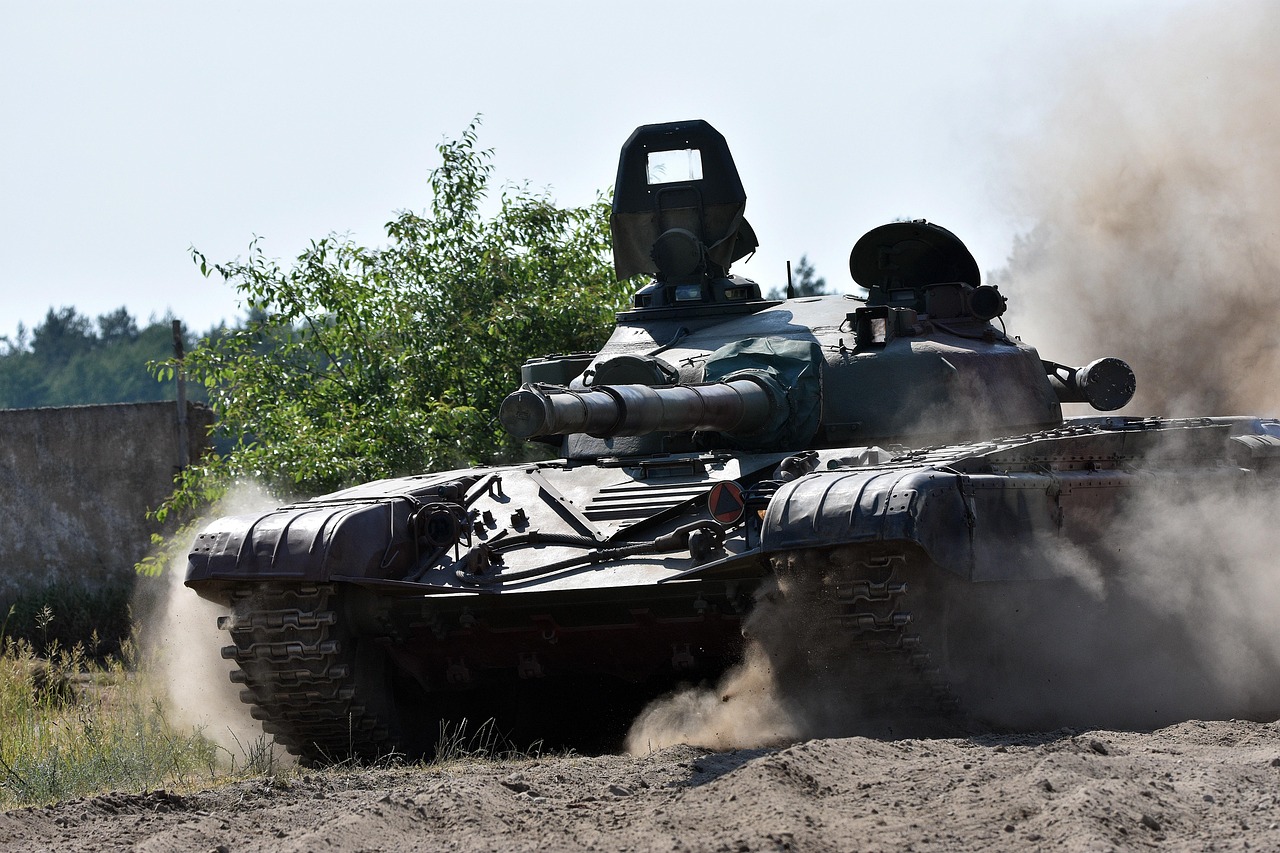
Understanding the Defense Stock Korea Trend: Beyond the Headlines
The current defense stock Korea trend is a focal point for many international investors, often driven by a simplistic view of geopolitical tensions. As a senior industry expert with 15 years in market analysis, I believe it’s crucial to look beyond the immediate headlines and delve into the nuanced factors shaping this dynamic sector.
While the South Korean defense industry has indeed experienced significant growth, a deeper understanding reveals complexities that savvy investors must navigate. This isn’t just about armaments; it’s about strategic alliances, technological innovation, and robust export policies.
The Geopolitical Undercurrents Driving Korea’s Defense Sector
South Korea’s unique geopolitical position inherently fuels its defense spending and strategic development. The ongoing security situation on the peninsula remains a primary, non-negotiable driver for the domestic defense stock Korea trend.
This perpetual state of readiness necessitates continuous investment in advanced military capabilities and robust R&D. Furthermore, regional power dynamics in East Asia contribute significantly to a sustained focus on national security enhancements.
Regional Tensions and National Security Imperatives
The persistent threat from North Korea ensures a baseline demand for military equipment and technology. This domestic requirement provides a stable foundation for the profitability and innovation of Korean defense companies. South Korea’s defense budget increased by approximately 4.5% year-on-year in 2026, demonstrating this commitment (Ministry of National Defense, 2026).
Beyond the peninsula, South Korea’s role in maintaining regional stability contributes to its defense posture. Such strategic positioning reinforces the long-term viability of the defense stock Korea trend for both domestic and international investors.
Global Demand for Korean Defense Exports
A less understood, yet equally powerful, driver for the defense stock Korea trend is the booming global demand for Korean defense exports. South Korean firms have successfully positioned themselves as reliable suppliers of high-quality, cost-effective military hardware.
This export success is not accidental; it is the result of decades of strategic investment and targeted marketing. The global market’s increasing need for modernized equipment further amplifies this trend.
- Strong government backing for export initiatives.
- Competitive pricing combined with advanced technology.
- Reliable delivery and comprehensive after-sales support.
- Diversification of export markets beyond traditional allies.
Korean defense exports surged by over 140% between 2018 and 2022, reaching an estimated $17 billion in 2022 (SIPRI, 2023). This remarkable growth highlights the sector’s expanding international footprint.
Analyzing the Core Dynamics of the Defense Stock Korea Trend
To truly grasp the defense stock Korea trend, one must analyze the interplay between domestic investment, export strategies, and technological advancement. This sector is characterized by intense innovation cycles and long-term government contracts.
Understanding these dynamics is key to identifying sustainable growth opportunities and mitigating potential risks. It’s not just about what weapons are being sold, but how and to whom.
Domestic Investment and R&D Focus
South Korea’s commitment to self-reliance in defense has led to substantial domestic investment in research and development. This continuous innovation ensures that Korean defense products remain competitive on the global stage.
Major Korean defense contractors typically allocate an average of 8-12% of their revenue to R&D, a figure that rivals leading global defense manufacturers (Korea Institute for Defense Analyses, 2023). This focus on innovation is a cornerstone of the positive defense stock Korea trend.
Export Growth and Diversification
The diversification of export markets is a critical factor distinguishing the current defense stock Korea trend. Korean defense companies are actively seeking new partnerships in regions like Eastern Europe, Southeast Asia, and the Middle East.
This strategy reduces reliance on any single market and creates a more robust revenue stream. It also mitigates geopolitical risks associated with concentrating exports in volatile areas.
Here’s a snapshot of how key Korean defense companies have focused on export growth:
| Company | Primary Export Focus | Recent Export Growth (2020-2023) | Key Products Exported |
|---|---|---|---|
| Hanwha Aerospace | Artillery, Combat Vehicles | +120% | K9 Thunder, Redback IFV |
| Korea Aerospace Industries (KAI) | Aircraft, Helicopters | +85% | FA-50, Surion |
| LIG Nex1 | Missiles, Precision Guided Munitions | +95% | Chunmoo, Hyungung |
This table illustrates the aggressive push by leading firms to capture international market share. Such strategic maneuvers are foundational to understanding the sustained positive defense stock Korea trend.
Navigating the Investment Landscape: An Expert’s Perspective
From an experienced investor’s viewpoint, the defense stock Korea trend offers unique opportunities, but demands rigorous due diligence. My 15 years in this industry have taught me that surface-level analysis is insufficient for long-term success in this sector.
One procedural detail I always emphasize is to perform due diligence beyond mere financial statements. Investors must evaluate geopolitical risk, supply chain resilience, and long-term government procurement cycles, not just quarterly earnings reports.
Another crucial procedural step involves a meticulous portfolio allocation strategy. Defense stocks, often counter-cyclical, can offer stability during broader market downturns. Integrating them requires careful consideration of their role in diversification, alongside other assets like those found in the broader Korea Investment Guide.
- Analyze government long-term defense plans (e.g., 5-year defense mid-term plans).
- Assess the geopolitical stability of key export markets.
- Evaluate a company’s technological edge and R&D pipeline.
- Understand the regulatory environment and potential export restrictions.
For those interested in exploring diverse asset classes, including the rapidly evolving digital currency space, insights on Crypto Investment Korea can provide valuable context. However, defense investments require a distinct analytical framework.
The Unseen Risks and Overlooked Opportunities in the Defense Stock Korea Trend
While the growth trajectory of the defense stock Korea trend is compelling, it’s essential to acknowledge the inherent risks. Regulatory hurdles, ethical considerations, and rapid technological disruption can all impact investment outcomes.
Ignoring these factors can lead to significant missteps, even in a sector with strong tailwinds. Investors must maintain a balanced perspective, recognizing both the potential and the pitfalls.
Regulatory Hurdles and Ethical Considerations
The defense industry is heavily regulated, both domestically and internationally. Changes in export controls, sanctions, or international arms treaties can significantly affect a company’s revenue streams. Ethical investment concerns also play an increasing role for many institutional investors.
Companies with strong ESG (Environmental, Social, Governance) frameworks and transparent ethical guidelines may gain an advantage. This is an evolving aspect of the defense stock Korea trend that cannot be ignored.
For a broader understanding of financial governance and regulations, resources like Korea Finance 365 can be helpful, though specific defense regulations are highly specialized.
Technological Disruption and Futureproofing
The pace of technological change in defense is accelerating, driven by AI, autonomous systems, and advanced materials. Companies that fail to innovate risk obsolescence, even with existing contracts. This makes long-term R&D investment critical for any defense stock.
South Korea’s national strategy includes a significant focus on future defense technologies, with substantial government-backed initiatives. Such initiatives are crucial for sustaining the long-term positive defense stock Korea trend (Invest Korea, 2023).
Investors should scrutinize a company’s investment in areas like cyber warfare, drone technology, and space-based defense systems. These are the frontiers of future military capabilities.
Strategic Outlook: What’s Next for Korea’s Defense Stocks?
Looking ahead, the defense stock Korea trend is poised for continued growth, albeit with evolving dynamics. South Korea aims to become the world’s fourth-largest defense exporter by 2027, a testament to its ambitious strategic vision (Invest Korea, 2023).
This objective will likely be supported by sustained government investment, aggressive export campaigns, and continuous technological advancements. The global defense market is projected to grow at a CAGR of 3.5% through 2028, providing a favorable backdrop (Mordor Intelligence, 2023).
My advice remains consistent: prudent investors must conduct thorough research, understand the geopolitical landscape, and prioritize companies with strong innovation pipelines. Engaging with comprehensive resources like a Korea Stock Market Guide can offer broader context for navigating the market.
The confluence of geopolitical necessity, technological prowess, and strategic export policy underpins the enduring strength of the defense stock Korea trend. However, success hinges on a detailed, expert-led approach rather than simply following the prevailing sentiment.
Exploring other burgeoning sectors, such as those detailed on Korea Crypto, can broaden an investment portfolio, but the defense sector requires its own specialized lens.
For more detailed economic insights and official data relevant to the South Korean market, I frequently consult sources such as the Bank of Korea and Statistics Korea. These official bodies provide invaluable macroeconomic context for any investment decision, including those related to the robust defense stock Korea trend.
자주 묻는 질문 (FAQ)
What factors are primarily driving the current defense stock Korea trend?
The trend is primarily driven by South Korea’s geopolitical situation necessitating strong national defense, coupled with increasing global demand for its high-quality, cost-effective defense exports. Strategic government support and R&D investment also play crucial roles.
How do geopolitical risks impact the defense stock Korea trend?
Geopolitical risks are a double-edged sword. While regional tensions fuel domestic defense spending and create export opportunities, sudden shifts in international relations or new sanctions can also pose significant regulatory and market risks to defense companies.
What should investors prioritize when evaluating defense stocks in Korea?
Investors should prioritize companies with robust R&D pipelines, diversified export markets, strong government contracts, and a clear strategy for technological innovation. Understanding long-term government defense plans and geopolitical stability in export regions is also critical.
Get in Touch
Have questions about your specific situation? Reach out anytime for a personal consultation.
Email: huh0303@gmail.com
관련 글: How to Buy Real Estate in South Korea as a Foreigner | How to Open a Korean Stock Brokerage Account as a Foreigner | How to Manage Your Wealth in South Korea as an Expat