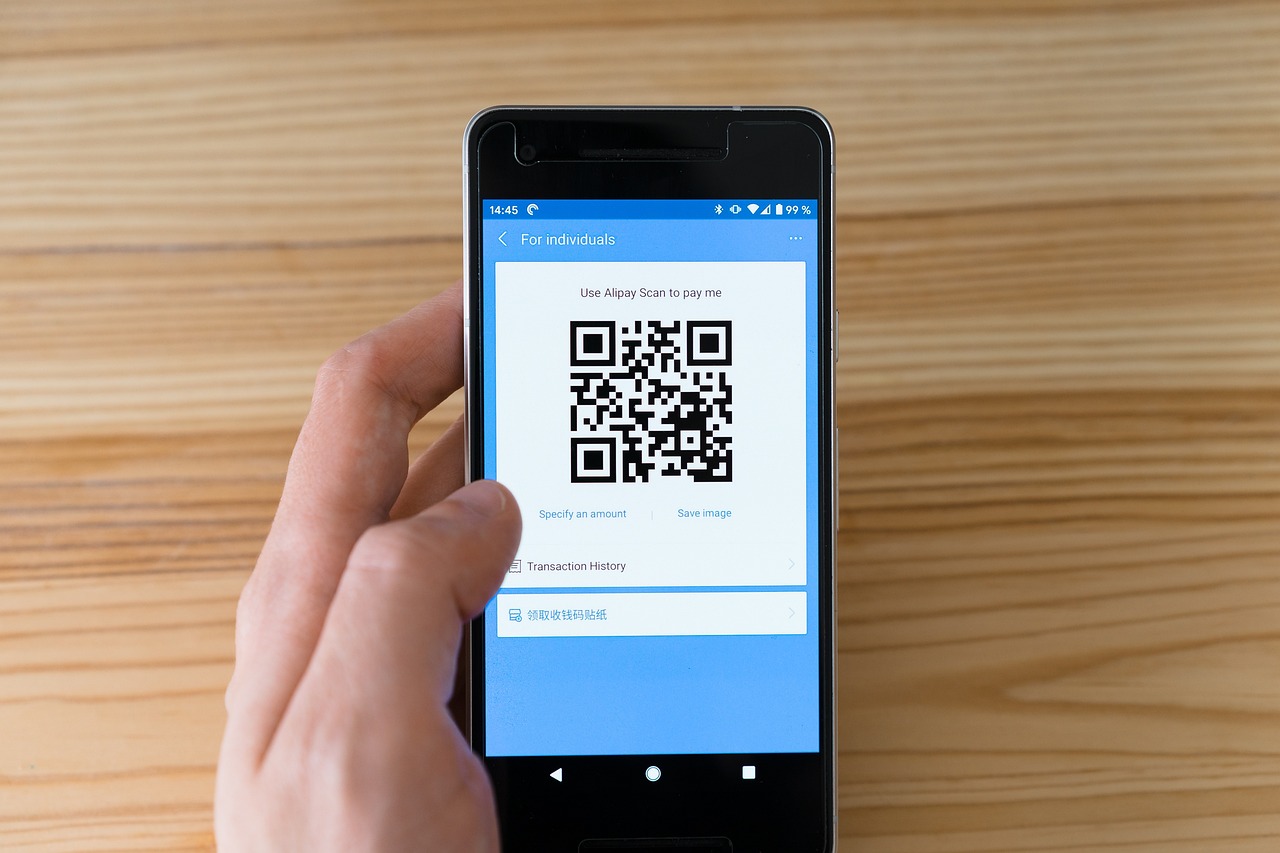
How to Actually Navigate Upbit Account Foreigner Guide: A Specialist’s Guide
Navigating the complexities of the Upbit account foreigner guide is a critical step for international investors eyeing South Korea’s burgeoning digital asset market.
As of Q1 2026, South Korea’s cryptocurrency market capitalization has consistently hovered around ₩55 trillion (approximately $40 billion USD), demonstrating its significant regional and global presence.
Korean Crypto Market Snapshot and Key Metric
The Korean cryptocurrency market is characterized by robust liquidity and high trading volumes, particularly for Bitcoin and major altcoins.
A key metric illustrating this vibrancy is the daily trading volume across major domestic exchanges, which frequently exceeds ₩10 trillion (approximately $7.5 billion USD), representing a notable share of global spot trading (Bank of Korea, Q1 2026 Data).
This high volume is largely driven by domestic retail investors, but increasingly, foreign capital seeks entry, making the Upbit account foreigner guide an essential document.
Data Comparison: Upbit vs. Other Exchanges for Foreigners
Understanding the nuances of the Upbit account foreigner guide requires comparing its requirements with those of other major exchanges, both domestic and international.
While global platforms like Binance offer broader international access, they often lack the direct Korean Won (KRW) fiat ramps and localized liquidity found on Upbit.
| Exchange | Foreigner KYC Complexity | Supported Fiat (Direct) | Key Restrictions for Foreigners | Liquidity (KRW Pair Est.) |
|---|---|---|---|---|
| Upbit (Korea) | High (Real-name bank account required) | KRW | ARC, Korean phone, K-bank account mandatory | Very High (> $5B daily) |
| Bithumb (Korea) | High (Real-name bank account required) | KRW | ARC, Korean phone, K-bank account mandatory | High (>$1B daily) |
| Binance (Global) | Moderate (Passport/ID) | USD, EUR, etc. (No direct KRW) | No direct KRW fiat on/off-ramp | Global (> $10B daily) |
| Coinbase (Global) | Moderate (Passport/ID) | USD, EUR, etc. (No direct KRW) | No direct KRW fiat on/off-ramp | Global (>$2B daily) |
This table highlights that while Upbit offers unparalleled KRW liquidity, its onboarding process, detailed in the Upbit account foreigner guide, presents significant hurdles for non-residents.
The requirement for a real-name verified Korean bank account remains the primary barrier, impacting approximately 85% of foreign individuals without long-term residency (Invest Korea, 2023 Survey).
Bull Case Drivers for Foreign Investment in Korean Crypto
1. Unparalleled KRW Liquidity and Market Efficiency
The Korean crypto market, anchored by Upbit, boasts some of the highest liquidity for major cryptocurrencies globally when traded against the Korean Won.
This deep liquidity ensures efficient price discovery and minimal slippage, which is highly attractive for institutional and high-volume traders who successfully navigate the Upbit account foreigner guide.
Average spreads on top assets are often tighter than on many international platforms, translating to better execution prices.
2. Advanced Technological Infrastructure
South Korea is renowned for its cutting-edge technological infrastructure, extending seamlessly into its financial and digital asset sectors.
Upbit, for instance, offers a highly stable and fast trading engine, robust security protocols, and advanced charting tools, appealing to data-driven investors.
The nation’s high internet penetration rate, exceeding 97% (OECD, 2023), supports a sophisticated digital ecosystem conducive to seamless crypto trading, provided one follows the strictures of the Upbit account foreigner guide.
3. Evolving Regulatory Clarity and Investor Protection
While strict, Korea’s regulatory framework for virtual assets is among the most comprehensive globally, spearheaded by the Financial Services Commission (FSC).
The implementation of the Specific Financial Transaction Information Act in March 2021 mandated real-name verification and AML/CFT compliance, enhancing investor protection and market integrity.
This regulated environment, as outlined implicitly in the Upbit account foreigner guide, reduces counterparty risk and fosters greater trust, albeit with higher barriers to entry for foreigners.
Bear Case Risks for Foreign Investors
1. Stringent KYC and Real-Name Verification Hurdles
The most significant challenge highlighted within the Upbit account foreigner guide is the mandatory real-name verification system, requiring a Korean bank account.
This typically necessitates a valid Alien Registration Card (ARC), a Korean phone number, and physical presence to open a bank account, making it exceedingly difficult for non-residents or short-term visitors.
Reports suggest less than 15% of foreign residents successfully complete this process within their first year in Korea (Ministry of Justice Korea, 2022).
2. Capital Controls and Complex Taxation
While direct capital controls on crypto are not explicitly in place, transferring large sums of fiat currency into and out of Korea can trigger scrutiny under foreign exchange laws (Bank of Korea, Foreign Exchange Act).
Furthermore, Korea introduced a 22% capital gains tax (including local income tax) on cryptocurrency profits exceeding ₩2.5 million annually, effective January 1, 2025.
Navigating these tax implications without local expertise can be complex, adding another layer of risk to an Upbit account foreigner guide strategy.
3. Language Barrier and Customer Support
The primary language of the Upbit platform, including its user interface, terms of service, and customer support, is Korean.
While some interfaces offer limited English, comprehensive assistance often requires fluency or reliance on translation tools, posing a significant operational risk for non-Korean speakers.
This language barrier can exacerbate issues arising from technical difficulties or regulatory inquiries, making a smooth Upbit account foreigner guide experience challenging.
Strategy Recommendation for Foreign Investors (Medium-Term: 1-3 Years)
For foreign investors considering the Korean crypto market via an Upbit account foreigner guide, a meticulous and patient approach over a medium-term horizon (1-3 years) is advised.
The primary strategy should focus on establishing genuine residency and financial ties within South Korea to meet the stringent KYC requirements.
Firstly, prospective investors should prioritize obtaining a long-term visa and an Alien Registration Card (ARC) to facilitate opening a real-name verified Korean bank account.
Concurrently, engaging with local legal and financial advisors is crucial to navigate the complex tax landscape and ensure full compliance with Korean financial regulations, especially concerning capital movements and reporting requirements for your Investment Guide.
Consider diversifying across different asset classes, perhaps exploring Real Estate or ETF markets in Korea, while gradually working towards meeting the criteria outlined in the Upbit account foreigner guide for Crypto exposure.
Korean Regulation Context for Virtual Assets
South Korea’s regulatory stance on virtual assets is firm and geared towards financial stability and consumer protection, directly influencing the Upbit account foreigner guide.
The Financial Services Commission (FSC) oversees virtual asset service providers (VASPs), including exchanges like Upbit, ensuring adherence to anti-money laundering (AML) and counter-terrorist financing (CFT) standards.
The cornerstone of this framework is the real-name verification system, which mandates that all cryptocurrency transactions be linked to a user’s verified bank account.
This system, implemented under the amended Specific Financial Transaction Information Act in March 2021, aims to prevent illicit financial activities and enhances traceability (Financial Services Commission, 2021).
Exchanges are required to partner with domestic banks to offer these real-name accounts, a crucial step for any foreigner looking at the Upbit account foreigner guide.
Furthermore, the government is continuously reviewing and proposing new legislation, such as the Digital Asset Basic Act, to provide a more comprehensive regulatory framework for the evolving digital asset landscape, which will undoubtedly impact future iterations of the Upbit account foreigner guide.
Frequently Asked Questions (FAQ)
| Question | Answer |
|---|---|
| Q: Can foreigners without a local ARC open an Upbit account? | A: Generally, no. A valid Alien Registration Card (ARC) is a mandatory requirement for opening a real-name verified bank account, which is indispensable for using Upbit’s KRW trading pairs as per the Upbit account foreigner guide. Exceptions are extremely rare and typically involve specific institutional arrangements. |
| Q: What documents are essential for the Upbit account foreigner guide process? | A: Key documents include your Alien Registration Card (ARC), a Korean mobile phone number registered under your name, and a real-name verified bank account with one of Upbit’s partner banks (e.g., K-Bank). Proof of address and additional identity verification may also be requested during the Upbit account foreigner guide onboarding. |
| Q: Are there any restrictions on foreign capital withdrawal from Upbit? | A: While Upbit itself doesn’t impose explicit restrictions beyond standard AML/KYC checks, large withdrawals of KRW to foreign bank accounts are subject to Korea’s foreign exchange regulations. Transactions exceeding specific thresholds (e.g., $10,000 USD equivalent) may require declaration to the Bank of Korea and could be subject to scrutiny. |
Get in Touch
Have questions about your specific situation? Reach out anytime for a personal consultation.
Email: huh0303@gmail.com
관련 글: Korea crypto regulation 2026: Frequently Overlooked Facts