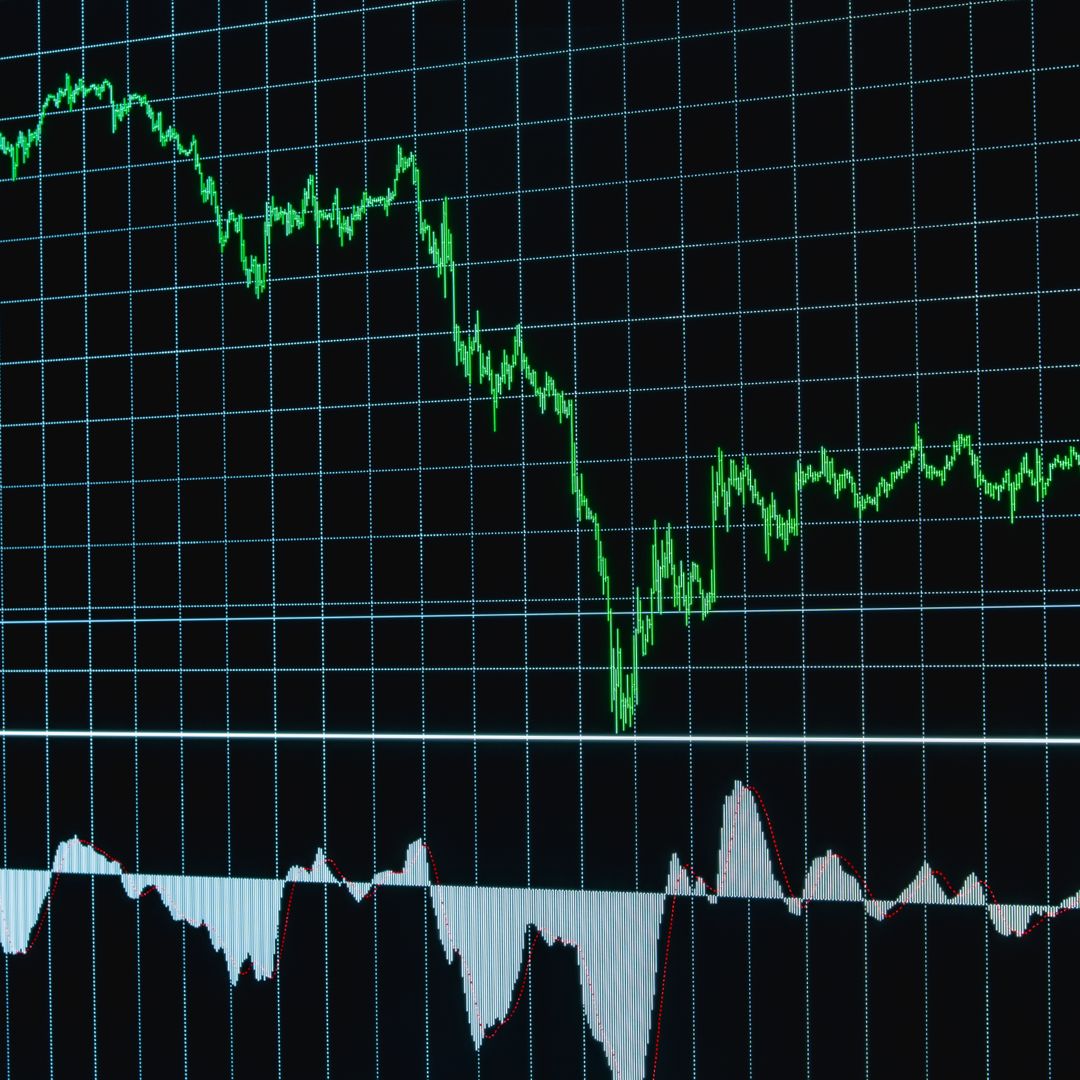

Macro-Policy Influence on Market Stability
The policy agenda set by the 대통령 (President) significantly influences long-term industrial strategy and the valuation of the Stock Market. Administrative directives often prioritize corporate governance reform, which serves to bridge the gap between domestic equity pricing and global standards.
Official Data on Market Reform
Data provided by the Financial Services Commission (https://www.fsc.go.kr/eng) indicates that current regulatory frameworks are focused on enhancing shareholder returns. This involves implementing standardized disclosure requirements that align with international benchmarks to reduce information asymmetry.
- Corporate Governance: Mandatory improvements in transparency to address the ‘Korea Discount’ where domestic firms trade at lower multiples compared to global peers.
- Industrial Priorities: Strategic state-backed funding for high-technology sectors such as semiconductors and artificial intelligence.
- Capital Flow: Measures to streamline the registration process for foreign investors, facilitating easier entry into the ETF landscape.
Core Drivers of Market Sentiment
The administration’s stance on fiscal policy and international trade directly dictates the sentiment of institutional investors. As noted by the Bank of Korea (https://www.bok.or.kr/eng), macroeconomic stability remains the primary pillar for maintaining liquidity in local exchanges.
| Driver Type | Impact on Equity | Strategic Consideration |
|---|---|---|
| Fiscal Spending | Positive for construction and infrastructure | Monitor government budget allocations for 2026 |
| Trade Policy | High volatility for export-heavy firms | Assess reliance on key strategic partnerships |
| Governance Reform | Long-term valuation expansion | Focus on firms with high dividend yields |
Risk Factors for International Portfolios
Investors must account for political risk premiums that can shift rapidly based on executive announcements. While the Finance 365 sector provides tools for tracking these fluctuations, geopolitical tensions remain a constant variable.
Market participants should be particularly cautious regarding:
- Policy Reversals: Sudden shifts in tax legislation that could impact net capital gains.
- Geopolitical Sensitivity: Exposure to risks involving regional security, which often impacts the Crypto market and broader risk-on assets.
- Administrative Turnover: Changes in the executive branch can lead to shifts in long-term renewable energy or defense spending priorities.
Regulatory Access and Foreign Participation
Invest Korea (https://www.investkorea.org) facilitates foreign direct investment by providing clear guidelines on ownership limits and sector-specific restrictions. The government has recently modernized the identification systems to allow for more seamless integration of foreign capital into the local financial infrastructure.
Foreign investors are encouraged to leverage the following:
- Investment Registration: Utilize the updated electronic filing systems for tax and regulatory compliance.
- Sector Exposure: Selectively allocate to sectors highlighted by the state’s five-year industrial vision.
- Professional Advisory: Consult with local financial entities to interpret nuance in regulatory filings that may not be present in English-language summaries.
Data Sources and Reporting
The information presented reflects the regulatory climate as of the article’s writing. Official data can be verified through the primary portals of the Bank of Korea, the Financial Services Commission, and Invest Korea.
자주 묻는 질문 (FAQ)
How does executive policy specifically impact Korean stock prices?
Executive policy dictates the intensity of corporate governance reform and industrial funding, which directly influences valuation multiples for blue-chip companies.
What is the ‘Korea Discount’?
This refers to the historical tendency of Korean companies to trade at lower price-to-earnings ratios compared to global competitors, a phenomenon the government is actively targeting via reform.
Are there restrictions for foreign investors entering the market?
While most sectors are open, foreign investors must register with the Financial Supervisory Service, though the administrative process has been significantly streamlined in 2026.
Where can I find official government data on market regulations?
Primary sources include the Financial Services Commission and the Bank of Korea, both of which maintain English-language portals for international investors.
Get in Touch
Have questions about your specific situation? Reach out anytime for a personal consultation.