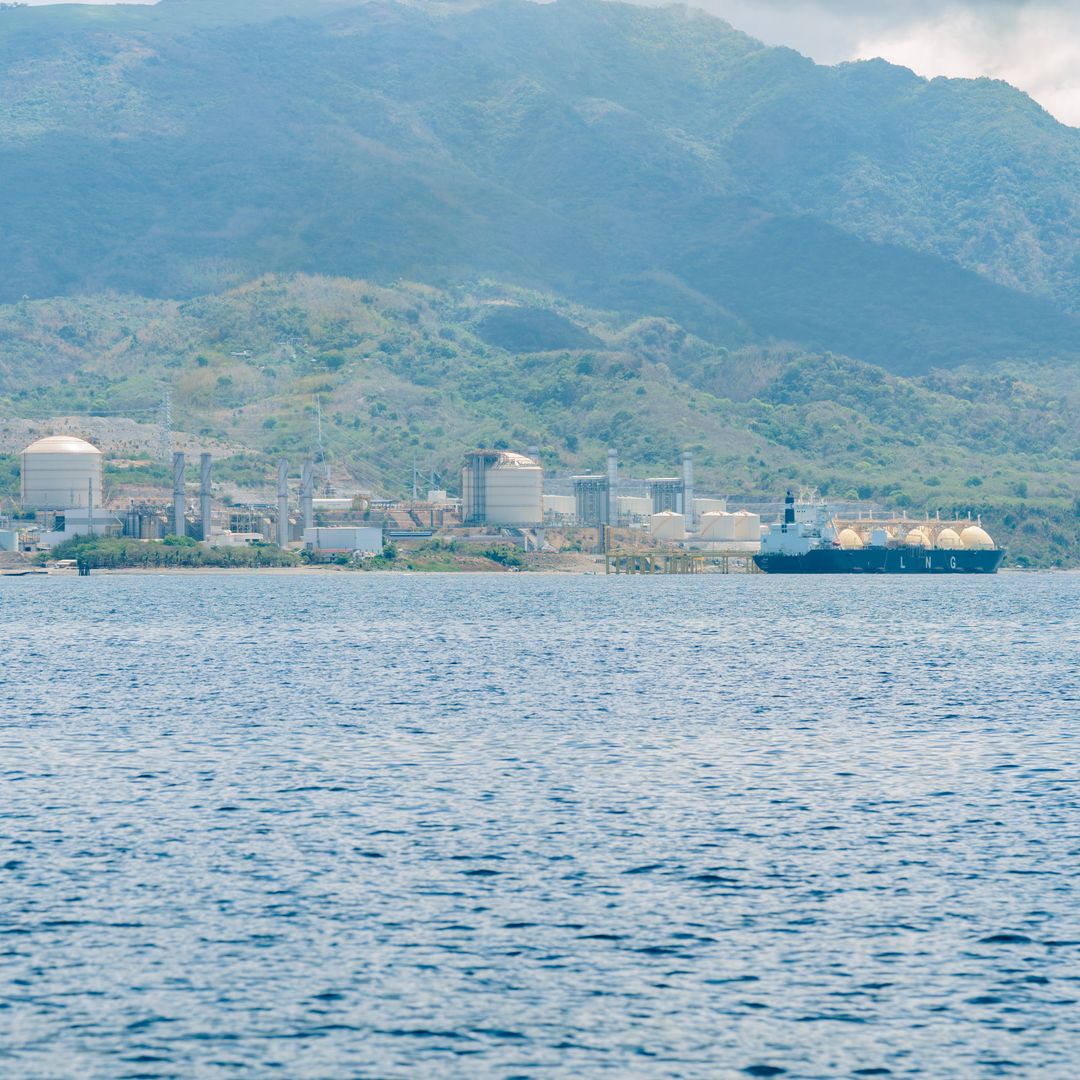
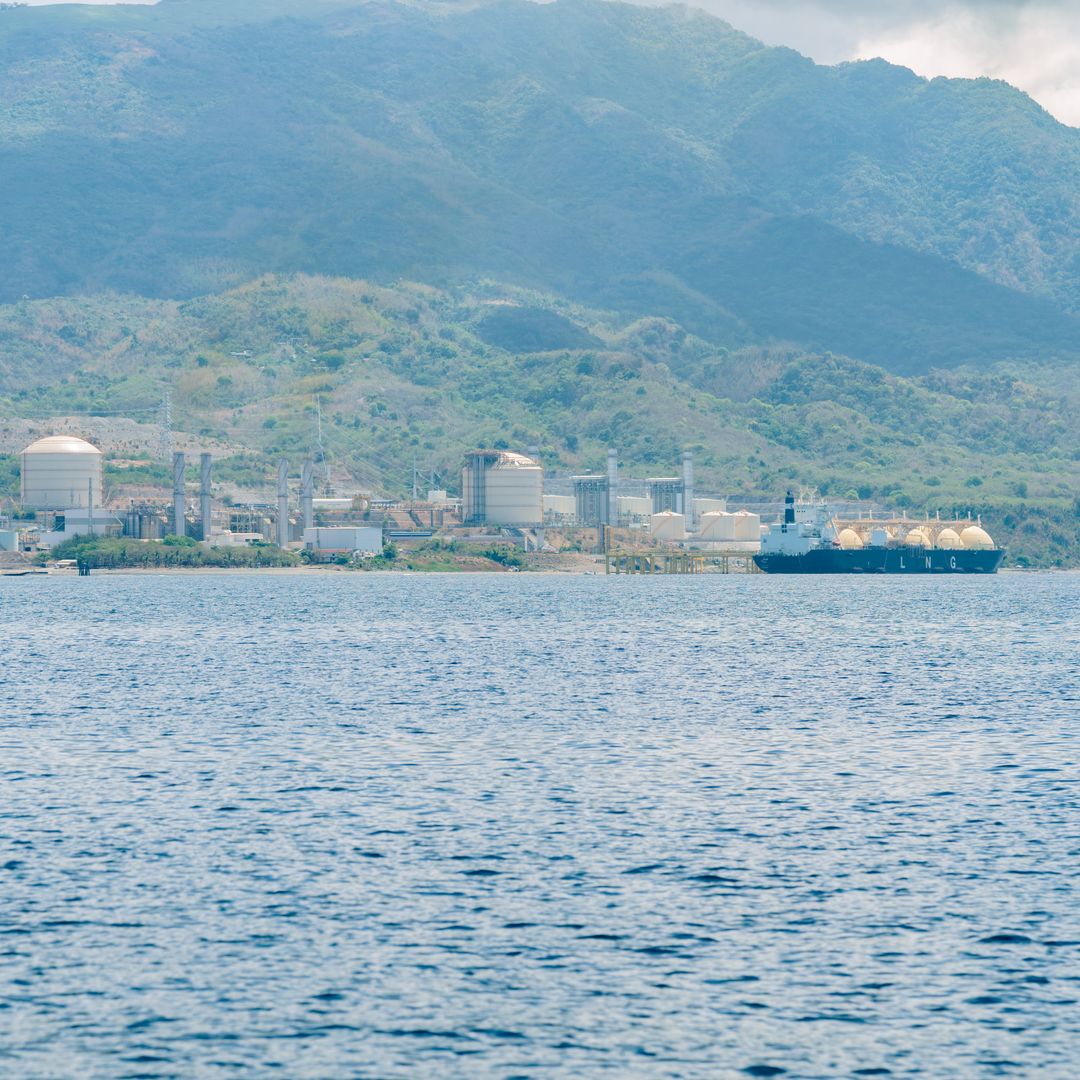
Strategic investment in Alaska LNG projects represents a long-term capital allocation shift for Korean energy conglomerates aiming to diversify their import sources. These initiatives move beyond traditional spot-market reliance, focusing instead on long-term infrastructure stakes that anchor national energy security.
Current official data from Invest Korea indicates that energy infrastructure remains a primary pillar for domestic industrial stability. Policymakers have emphasized the necessity of stabilizing fuel import costs to protect the broader Stock Market from exogenous price shocks. The Bank of Korea (BOK) continues to monitor the impact of large-scale capital outflows required for such overseas energy developments, noting their influence on the national balance of payments.
| Investment Stage | Key Focus Area | Institutional Role |
|---|---|---|
| Feasibility | Infrastructure scale | Government-led consortia |
| Development | Supply chain resilience | Private energy firms |
| Operational | Export volume stability | National grid integration |
The primary driver for these investments is the sustained demand for liquefied natural gas as a transition fuel in the national power mix. Firms are increasingly seeking stable, low-volatility supply chains to minimize the risks associated with global market fluctuations. When reviewing how such projects impact portfolios, investors should consider the following factors:
- Supply Chain Integration: Domestic heavy industry firms often act as EPC (Engineering, Procurement, and Construction) contractors, providing a secondary revenue stream.
- Macro-Economic Hedging: Direct stakes in production help stabilize long-term cost structures for energy-intensive sectors.
- Financial Oversight: The Financial Services Commission (FSC) maintains strict disclosure requirements for conglomerates participating in massive overseas capital projects.
Risk profiles for these ventures are inherently linked to geopolitical stability and the technical complexity of Arctic resource extraction. Investors should note that while these projects offer structural benefits, they are subject to lengthy amortization periods and potential regulatory shifts in both the United States and Korea. Foreign entities looking to participate in or track these energy-linked stocks should also maintain awareness regarding Tax obligations on cross-border dividend flows.
Market access for international investors remains governed by standardized institutional channels, though direct equity participation in specific upstream projects is often restricted to sovereign-linked or major corporate entities. Retail and institutional investors typically gain exposure through diversified energy sector ETFs or parent company shares listed on the exchange. Those exploring broader portfolio diversification might also consider how Crypto assets or traditional equities function within their risk-adjusted returns as outlined in our comprehensive Investment Guide.
Data for this analysis is aggregated from official reports provided by Invest Korea and the Financial Services Commission as of the final quarter of 2026. All assessments regarding industrial capacity and energy policy are based on current state-level strategic planning documents.
자주 묻는 질문 (FAQ)
How do Korean firms participate in Alaska LNG projects?
Major Korean industrial and energy firms typically participate through equity stakes in the infrastructure or as primary contractors for terminal construction and shipping vessel manufacturing.
Does the Financial Services Commission regulate these investments?
Yes, the FSC monitors the capital adequacy and disclosure practices of publicly listed companies that commit significant resources to large-scale overseas energy ventures.
Are there specific tax implications for foreign investors in this sector?
Foreign investors should consult tax professionals regarding cross-border withholding rates on dividends paid by Korean energy conglomerates involved in international projects.
Where can I find the latest regulatory updates on energy sector investments?
Official regulatory updates are published by the Financial Services Commission and the Ministry of Trade, Industry and Energy.
Get in Touch
Have questions about your specific situation? Reach out anytime for a personal consultation.