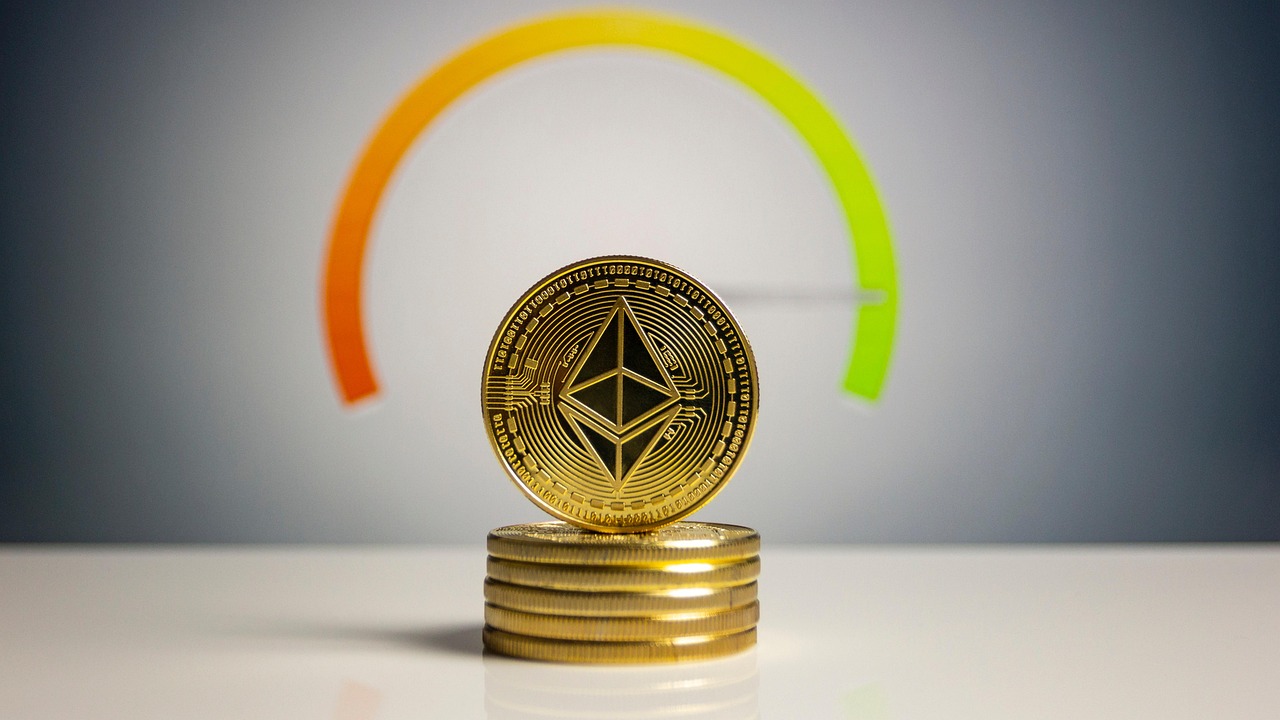
Ethereum Staking in Korea: A Deep Dive into Yield Opportunities
Could ‘ethereum staking Korea’ unlock significant yield potential in the evolving digital asset landscape?
Market Snapshot: The Rise of Staked Ether
The total value locked (TVL) in Ethereum staking protocols globally has surpassed an impressive $50 billion, indicating robust investor confidence in the mechanism. This figure highlights a substantial global trend toward yield generation through proof-of-stake (PoS) consensus. As a result, interest in ‘ethereum staking Korea’ is on an upward trajectory.
Data Comparison: Staking Yields vs. Traditional Assets
| Asset Class | Average Annual Yield (Estimated) | Risk Profile | Liquidity |
|---|---|---|---|
| Ethereum Staking (Post-Merge) | 3.5% – 4.5% | Moderate to High | Variable (depending on unstaking periods) |
| Korean Government Bonds | 2.0% – 3.0% | Low | High |
| Blue-Chip Korean Equities (Dividends) | 1.5% – 2.5% | High | High |
| USD Savings Accounts | 0.5% – 1.5% | Very Low | High |
This table illustrates the competitive nature of ‘ethereum staking Korea’ when compared to more traditional investment avenues. While yields are attractive, the associated risks and liquidity considerations require careful evaluation. Investors seeking diverse income streams might find ‘ethereum staking Korea’ an interesting addition to their portfolio, but a thorough understanding of the underlying technology is paramount. For a broader perspective on navigating these diverse asset classes, our Investment Guide offers valuable insights.
Bull Case Drivers for Ethereum Staking in Korea
1. Growing Institutional Adoption
Major financial institutions globally are exploring and integrating cryptocurrency staking services. This trend is expected to trickle into the Korean market, potentially increasing demand and stability for ‘ethereum staking Korea’. The increasing maturity of the digital asset infrastructure in South Korea provides a fertile ground for such developments. Invest Korea has noted an uptick in inquiries regarding digital asset-related financial services.
2. Scalability Upgrades and Network Enhancements
Ethereum’s ongoing upgrades, particularly those focused on improving transaction speeds and reducing fees (e.g., through sharding), enhance the attractiveness of the network. A more efficient Ethereum network directly benefits stakers by improving the overall ecosystem’s health and utility. This technological advancement bolsters the long-term viability of ‘ethereum staking Korea’.
3. Diversification Benefits and Inflation Hedge
As global inflation remains a concern, investors are actively seeking assets that can preserve and grow purchasing power. Digital assets, including staked Ether, offer a potential hedge against inflation, providing a diversification benefit away from traditional fiat currencies. This makes ‘ethereum staking Korea’ a compelling option for risk-tolerant investors.
Bear Case Risks for Ethereum Staking in Korea
1. Regulatory Uncertainty
While South Korea has made strides in regulating digital assets, the landscape remains dynamic. Evolving regulations from bodies like the Financial Services Commission (FSC) could impact the operational framework for ‘ethereum staking Korea’. Investors must remain vigilant about policy changes that might affect staking rewards or accessibility. The FSC has signaled a phased approach to crypto regulation.
2. Smart Contract and Protocol Risks
The security of staked assets relies heavily on the integrity of the underlying smart contracts and the broader Ethereum protocol. Exploits or bugs, though rare, can lead to loss of funds. Thorough due diligence on staking platforms and understanding the technical risks are crucial before engaging in ‘ethereum staking Korea’.
3. Market Volatility and Price Depreciation
The price of Ether is subject to significant volatility, similar to other cryptocurrencies. A sharp decline in Ether’s price can negate staking yields, leading to overall portfolio losses. While staking provides a yield, it does not protect against the underlying asset’s price depreciation. This is a key consideration for anyone looking into ‘ethereum staking Korea’.
Strategy Recommendation: A Phased Approach
For investors interested in ‘ethereum staking Korea’, a phased approach is recommended, beginning with a small allocation within a diversified portfolio. Initially, focus on reputable staking pools or services that offer clear terms and conditions. A timeframe of 1-3 years is advisable to observe market trends and regulatory developments. Consider how this strategy complements other investment options, such as exploring the broader Korean Stock Market or even the Real Estate market for a balanced approach.
Korean Regulatory Context for Digital Assets
South Korea has been actively developing its regulatory framework for digital assets. The Financial Services Commission (FSC) has been working on guidelines for Virtual Asset Service Providers (VASPs) and has introduced measures to enhance investor protection. While specific regulations for staking services are still evolving, the FSC’s general direction emphasizes transparency and risk management. This provides a foundation for future clarity regarding ‘ethereum staking Korea’. The Bank of Korea has also shown interest in the potential impact of digital assets on the financial system.
Frequently Asked Questions
-
Q: What are the minimum requirements to start Ethereum staking in Korea?
A: Typically, solo staking requires 32 ETH (approximately $100,000 USD as of recent market valuations), which is a significant capital outlay. However, most retail investors in Korea opt for staking pools or exchanges that allow participation with much smaller amounts, sometimes as low as 0.01 ETH. These pooled services aggregate funds from multiple users to meet the network’s requirements, and users receive proportional rewards. The accessibility of pooled staking is a key driver for ‘ethereum staking Korea’.
-
Q: How are staking rewards taxed in Korea?
A: Taxation of cryptocurrency staking rewards in Korea is an evolving area. Currently, staking income is generally considered taxable as miscellaneous income. However, the specific tax laws and rates are subject to change as the regulatory landscape matures. It is advisable for individuals engaging in ‘ethereum staking Korea’ to consult with a qualified tax professional in Korea to ensure compliance with the latest regulations. (Ministry of Economy and Finance Korea, 2026)
-
Q: What is the difference between staking and investing in Ethereum ETF products in Korea?
A: Staking directly involves locking up your ETH to support the network and earn rewards, offering direct participation in the ecosystem. Investing in an Ethereum ETF, on the other hand, means owning shares of a fund that holds Ethereum or derivatives related to Ethereum, without directly interacting with the blockchain. Staking typically offers higher potential yields but comes with greater technical and smart contract risks. ETFs offer a more regulated and accessible entry point for traditional investors, with potentially lower direct risks but also potentially lower direct yields. Both are avenues to gain exposure to Ethereum’s performance, and ‘ethereum staking Korea’ represents a more active, yield-generating approach.
자주 묻는 질문 (FAQ)
What are the minimum requirements to start Ethereum staking in Korea?
Typically, solo staking requires 32 ETH (approximately $100,000 USD as of recent market valuations), which is a significant capital outlay. However, most retail investors in Korea opt for staking pools or exchanges that allow participation with much smaller amounts, sometimes as low as 0.01 ETH. These pooled services aggregate funds from multiple users to meet the network’s requirements, and users receive proportional rewards. The accessibility of pooled staking is a key driver for ‘ethereum staking Korea’.
How are staking rewards taxed in Korea?
Taxation of cryptocurrency staking rewards in Korea is an evolving area. Currently, staking income is generally considered taxable as miscellaneous income. However, the specific tax laws and rates are subject to change as the regulatory landscape matures. It is advisable for individuals engaging in ‘ethereum staking Korea’ to consult with a qualified tax professional in Korea to ensure compliance with the latest regulations. (Ministry of Economy and Finance Korea, 2026)
What is the difference between staking and investing in Ethereum ETF products in Korea?
Staking directly involves locking up your ETH to support the network and earn rewards, offering direct participation in the ecosystem. Investing in an Ethereum ETF, on the other hand, means owning shares of a fund that holds Ethereum or derivatives related to Ethereum, without directly interacting with the blockchain. Staking typically offers higher potential yields but comes with greater technical and smart contract risks. ETFs offer a more regulated and accessible entry point for traditional investors, with potentially lower direct risks but also potentially lower direct yields. Both are avenues to gain exposure to Ethereum’s performance, and ‘ethereum staking Korea’ represents a more active, yield-generating approach.
Get in Touch
Have questions about your specific situation? Reach out anytime for a personal consultation.
Email: huh0303@gmail.com
관련 글: The Hidden Mistakes Costing You Thousands in Your Korea National Pension Foreigner Refund